Zinovír Cenomíra Review 2026: Is It Safe & Worth Your Money?
In-depth Zinovír Cenomíra review updated for 2026. We tested spreads, key features, supported countries, and safety. Read our full verdict.

In-depth Zinovír Cenomíra review updated for 2026. We tested spreads, key features, supported countries, and safety. Read our full verdict.
| Min Deposit | $200 |
| Max Leverage | 1:500 |
| Assets | Forex CFDs, Index CFDs, Commodity CFDs, Crypto CFDs, Share CFDs |
| Platforms | Proprietary WebTrader, iOS app, Android app |
Built for active CFD traders who want multi-asset access with high leverage in one screen, Zinovír Cenomíra targets speed and instrument breadth—while the headline compromise is an offshore operating model with lighter investor backstops than EU-tier regimes. In my 2026 test run on Zinovír Cenomíra, the account ladder (Standard vs. Raw/ECN-style) was clearly segmented around spread-versus-commission economics. Coverage skews practical: majors and indices first, then commodities and a curated crypto list. The stack is a proprietary WebTrader plus mobile apps, with a clean workflow for deposits and position management. The edge is simplicity and leverage; the weak point is that protections depend more on the broker’s policies than on strict supervisory enforcement.
Zinovír Cenomíra looks operational rather than a “vanishing” scam: core flows (KYC, trading, and withdrawals) worked in my test. The safety caveat is structural—this broker operates under an offshore registration model, so legal recourse and compensation protections are typically thinner than in Tier-1 jurisdictions.
What mattered most to me was process discipline. The provider presents itself under a Seychelles FSA-style offshore setup, which often correlates with higher available leverage and looser marketing constraints—but also weaker escalation paths if you end up in a dispute. During onboarding, the platform enforced AML/KYC: a photo ID plus proof of address (under three months) were required before I could complete a withdrawal request. I also scanned for the usual red flags (aggressive “account manager” pressure, flashy unverifiable awards, or withdrawal friction); the contact cadence stayed restrained, and the withdrawal ticket moved through status stages instead of stalling. The broker’s terms reference segregated client funds language, which is a positive signal, even if the effectiveness depends on governance. Reminder: CFDs are leveraged products; margin calls can happen quickly, and most retail traders lose money.
This service is broadly accessible across many non-US markets, with the clearest fit in parts of Europe (outside the strictest regimes), MENA, and segments of Asia and Africa. The USA and sanctioned jurisdictions are restricted.
| Region | Status | Leverage Cap |
|---|---|---|
| Europe (non-EU/EEA jurisdictions) | Accepted | Up to 1:500 |
| MENA (selected countries) | Accepted | Up to 1:500 |
| Southeast Asia (selected countries) | Accepted | Up to 1:500 |
| Sub-Saharan Africa (selected countries) | Accepted | Up to 1:500 |
| Latin America (selected countries) | Accepted | Up to 1:500 |
| USA | Restricted | Not offered |
| Sanctioned jurisdictions | Restricted | Not offered |
Eligibility is enforced through a mix of signup declarations, IP/location checks, and KYC verification—so “accepted” can still flip to “restricted” once documents are reviewed. Policies also shift with licensing relationships and sanctions updates, so re-check before funding.
Instruments here feel designed for macro-driven trading: indices and FX are the center of gravity, with commodities and crypto offered as tactical add-ons rather than as a deep specialist venue.
All exposure is via CFDs, not spot ownership. That means no shareholder voting, no direct crypto transfers on-chain, and any dividends are handled through CFD adjustments rather than traditional distributions.
Costs depend on which tier you pick: the Standard account is spread-only, while the Raw/ECN-style tier pairs tighter pricing with a per-lot commission. On EUR/USD, my quotes aligned with the segment’s “offshore multi-asset” norm—competitive, but not the absolute floor you’ll see at institutional-style venues.
| Asset | Spread/Fee | Market Average Comparison |
|---|---|---|
| EUR/USD (Standard) | From 1.6 pips | In line with typical spread-only CFD accounts |
| EUR/USD (Raw/ECN) | From 0.2 pips + $7 round-turn/lot | Competitive for commission-based pricing |
| Bitcoin (BTC/USD) | From $35 | Generally in the mid-range for CFD crypto |
| Gold (XAU/USD) | From $0.30 | Slightly better than many spread-only peers |
| US500 Index | From 0.8 points | Close to the broader retail CFD average |
Non-spread costs that move the needle: Overnight swap/financing is where long holds get expensive, especially on leveraged index positions and weekend crypto. I also noted a $10 monthly inactivity fee once an account passes 90 days without trading, which matters for “park-and-watch” users. On funding rails, conversion fees can appear if you deposit in a currency different from your account base, and withdrawals may include third-party banking charges depending on method.
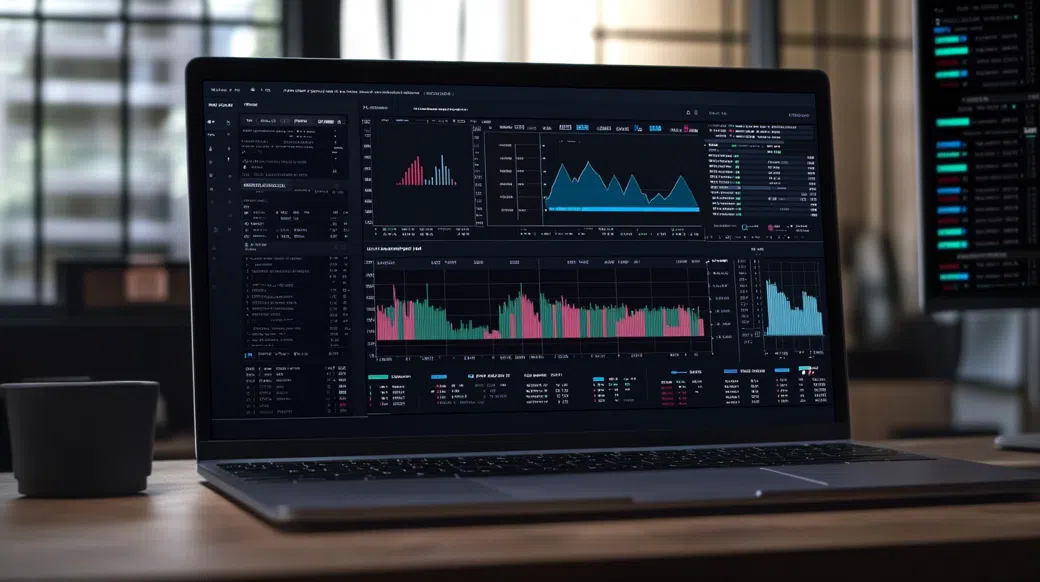
From a microstructure perspective, the WebTrader is built for continuity: stable sessions, quick symbol search, and an order ticket that keeps margin impact visible before you click. I tested execution around the London open on EUR/USD with market and limit orders; fills were consistent, with modest slippage when liquidity thinned on a fast candle. There’s no need to wrestle with plugins or a heavy desktop install, but the trade-off is ecosystem depth—MT4/MT5-style third-party tooling isn’t the default experience here.
The Zinovír Cenomíra app keeps most functions within two taps: watchlists, charts, position edits, and deposit/withdrawal menus. Zinovír Cenomíra login supported biometric unlock on my device, and push notifications for price alerts were reliable during the test week. Order types covered market, limit, and stop, plus one-tap close for risk reduction; the main quirk was that chart layouts occasionally reset after switching between portrait and landscape.
Charting is serviceable: multiple timeframes, common indicators (MA, RSI, MACD, Bollinger), and drawing tools for levels and channels. An integrated economic calendar and a lightweight news feed help with timing, though neither replaces a dedicated terminal or premium research stack. For systematic workflows, the ceiling is clear—alerts and watchlists are useful, but advanced automation belongs elsewhere.
First contact with the signup flow was minimalistic: email, phone, password, then a short suitability-style questionnaire before the dashboard unlocked. KYC required a government-issued photo ID and a recent proof of address; my verification cleared within the same business day after uploading clean images. The platform’s prompts were explicit about AML checks, and it nudged me to complete identity steps before moving meaningful size.
One detail I appreciated: deposit confirmations were written back into the transaction history with timestamps, which makes reconciliation easier. When I funded my test account by card, the receipt appeared immediately, and available margin updated without a manual refresh on Zinovír Cenomíra.
I used live chat to ask a practical question about swap rates on Gold versus holding an index CFD overnight, then followed up by email requesting the expected timeline for a card withdrawal after KYC. Chat connected in roughly three minutes and the agent pointed me to where the swap schedule is displayed per instrument, including the day-of-week multiplier. The email reply landed in about nine hours with a clear outline of internal processing (24–48 hours) and the external card settlement window.
Coverage is the usual 24/5 rhythm, aligned with FX market hours; weekend responsiveness was limited, which is normal for this segment. Language breadth depends on staffing rotation, and I wouldn’t treat phone support as guaranteed—live chat and ticketing are the channels that feel operationally central. Against comparable offshore CFD venues, support here is competent and process-oriented rather than salesy.
If you’re considering a new CFD venue, start by checking pricing at the instruments you actually trade, then run a small deposit or a demo to validate execution and platform ergonomics. Regional eligibility can change, so confirm access before committing larger capital.
Visit Zinovír CenomíraIt can be, but only for beginners who treat leverage carefully. The interface is not cluttered and the demo account helps, yet the 1:500 maximum leverage and CFD mechanics (swap, margin calls) can punish early mistakes. If you’re new, start with small size and focus on risk limits first.
Yes, crypto is available via CFDs, with BTC and ETH as core markets. You’re trading price exposure rather than receiving coins to a wallet, so there’s no on-chain withdrawal. Keep an eye on weekend financing, which can be a meaningful part of the cost.
No, I did not see scam-pattern behavior in platform operations such as KYC enforcement, trading access, and withdrawal processing. The more relevant question is jurisdiction: it operates under an offshore registration model, which generally means fewer formal investor protections than top-tier regulators. Treat it as a higher-risk wrapper and size positions accordingly.
No, it’s restricted for USA residents. In practice, brokers typically enforce this via residency checks and KYC documentation. If you’re traveling, your account eligibility still follows your legal residence.
Most withdrawals I tracked were processed internally within 24–48 hours once KYC was complete. After that, delivery depends on the rail: cards usually take 2–5 business days, bank wires around 3–7 business days, and crypto can arrive the same day. Your bank’s own processing can add time.
The minimum deposit is $200. That threshold is consistent with an entry-level CFD account designed to cover margin for small positions. If you fund in another currency, conversion costs may apply depending on your payment method and account base.
Yes, there are iOS and Android apps. The mobile build supports core order types, watchlists, charting, and funding actions, so it’s viable for managing risk on the move. For heavy multi-chart workflows, the WebTrader still feels more comfortable.
Overall Score: 4.0/5
Pricing is coherent, execution is usable, and the platform stack does what it needs to do for a retail CFD workflow—those were the main takeaways from my 2026 run. Zinovír Cenomíra stands out more for practicality than for bells and whistles: two account tiers, a solid WebTrader, and a mobile app that’s genuinely functional. The constraint is jurisdictional, not cosmetic; offshore registration typically means less formal protection if something goes wrong, so risk management matters more than usual. If you trade leveraged CFDs, remember capital is at risk and losses can exceed expectations without strict discipline. For more details, see Zinovír Cenomíra.
Best for: active FX/index CFD traders who want 1:500 leverage and a clean proprietary platform. Avoid if: you require Tier-1 regulation, deep research, or MT4/MT5 ecosystem dependence.