Wealthorex Trading Platform Alternatives 2026 (US/EU)
Wealthorex alternatives for 2026: compare regulated brokers, platforms, costs, and safety checks. A practical guide for US/EU-focused traders.

Wealthorex alternatives for 2026: compare regulated brokers, platforms, costs, and safety checks. A practical guide for US/EU-focused traders.
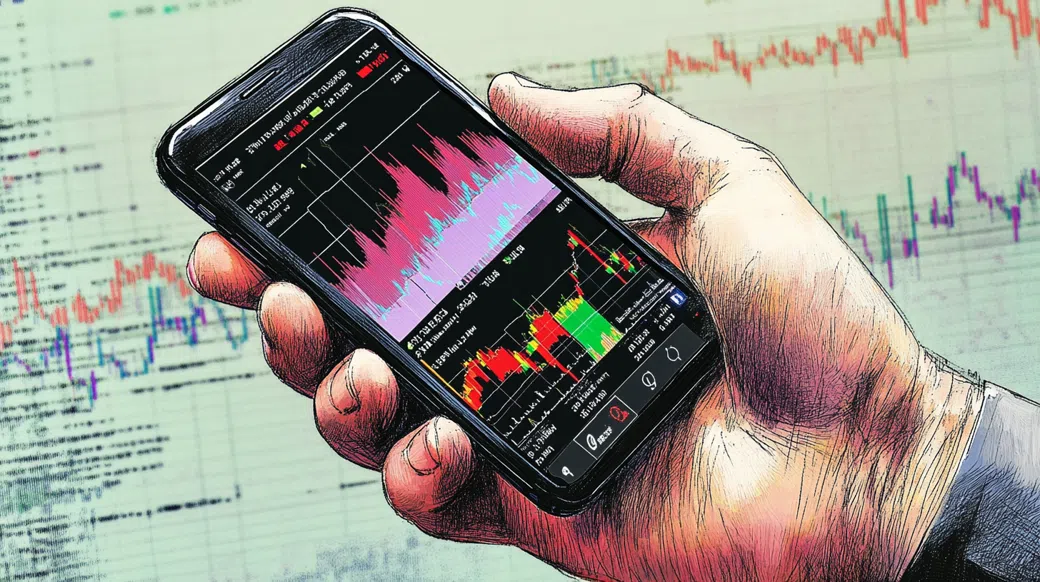
Across Europe’s retail trading scene, the real differentiator is rarely a flashy front-end—it’s the plumbing: regulation, execution quality, and how cleanly deposits and withdrawals run under KYC/AML rules. Wealthorex sits in the offshore CFD segment (commonly associated with frameworks such as the Seychelles FSA), typically pairing a proprietary WebTrader with a mobile app and offering a menu centered on FX and CFDs. In that bracket, you’ll often see headline leverage as high as 1:500, a minimum deposit around $250, and “from” spreads that, in practice, can feel closer to roughly 2.0 pips on EUR/USD once markets get lively.
For some traders, that mix is workable—especially if they prioritize quick account access and a simplified product set. For others, it becomes a constraint: limited market access beyond CFDs, fewer professional-grade order types, and less transparent protections if something goes wrong. That’s where Wealthorex alternatives enter the conversation. Not because every offshore venue is automatically unusable, but because the downside tail risk is different when the broker sits outside top-tier supervisory regimes and compensation schemes.
This guide to Wealthorex trading platform alternatives 2026 takes a microstructure-first approach: what instruments you can actually trade, how execution and slippage can differ by model (market maker vs STP/ECN/DMA), and which regulated platforms offer the most robust operational safeguards for US/EU traders.
Disclaimer: This article is for informational purposes only and does not constitute investment advice. CFDs and other leveraged products carry a high risk of loss and may not be suitable for all investors.
From a product perspective, Wealthorex fits the familiar offshore CFD-broker template: FX pairs (often ~30–50), index and commodity CFDs, and a smaller set of crypto CFDs. The positioning tends to suit short-horizon retail traders looking for leveraged exposure rather than investors building long-only portfolios. Execution is typically presented through a broker-run dealing environment rather than direct market access; in practice, that means fills and re-quotes (or equivalent “price refresh” behavior) can matter more than the marketing headline. For traders evaluating brokers similar to Wealthorex, the key question is not just “can I click to trade?” but “under what rulebook and protections does the account operate?”
The usual platform stack here is a proprietary WebTrader with basic-to-mid charting, supported by iOS/Android apps. Expect core order handling (market, limit, stop) and an interface that is optimized for monitoring margin, open positions, and P&L rather than for deep workflow customization. Indicator libraries are typically adequate for common retail setups (moving averages, RSI, MACD), while advanced tooling—custom indicators, strategy testing, or low-latency routing controls—tends to be thinner than what you’d find on MT4/MT5 or cTrader ecosystems. Mobile parity is often “good enough” for position management, but serious multi-chart layouts and analytics remain more comfortable on desktop browsers.
Cost disclosure in this segment is commonly split between a spread-only “Standard” style account and a commission-based tier marketed as Raw/ECN. A practical reference point: EUR/USD may trade around ~2.0 pips on a standard setup, while a raw-style tier might advertise 0.0–0.4 pips plus a commission in the neighborhood of $6–$8 round-turn. Overnight financing (swap) is a real cost driver for multi-day holds, and it’s also where trader expectations often diverge from the platform’s economics. Withdrawal and inactivity fees vary by provider and payment method, so traders usually only discover the true all-in cost profile once they operate the account at scale.
Cost is the obvious trigger, but it’s rarely the first pain point traders notice. More often, the push comes from operational risk: how disputes are handled, what protections exist if the broker fails, and whether the platform’s execution model matches your strategy. With leveraged CFDs, a small difference in spread, slippage, or margin policy can dominate outcomes over a month. That’s why Wealthorex alternatives are typically evaluated through a mix of safety, tooling, and “can I trade what I actually want to trade?” rather than headline leverage alone.
Think of the selection process as matching a broker to a trading system’s failure modes. A swing trader worries about swaps and margin calls; a scalper worries about spread, latency, and slippage; an investor cares about custody, corporate actions, and whether they own the underlying asset. The best alternatives to the Wealthorex trading platform are the ones that reduce your specific operational risk while keeping your cost-of-trade predictable.
Start with the regulator and the legal entity you’ll actually onboard with. In the EU/UK context, FCA and CySEC oversight typically implies rules around segregated client funds and disclosure; in the UK, the FSCS can cover eligible clients up to £85,000, while Cyprus’ ICF coverage is up to €20,000 for eligible retail clients. In Australia, ASIC is a common reference point for conduct and licensing standards. US traders looking at FX should focus on CFTC/NFA registration. These are not box-ticks—they define your recourse, reporting standards, and how money is held if things break.
Map instruments to intent. If you need portfolio building, you’ll want real stocks/ETFs (and ideally bonds) rather than CFDs on equities. If you trade macro, access to index/commodity CFDs might suffice, but check contract specs and trading hours. Options and listed futures matter for hedging and defined-risk structures; many CFD-first venues don’t offer them at all. For traders comparing competitors to Wealthorex, the question is whether the platform offers the asset form you need—spot FX, CFDs, or listed instruments with centralized pricing.
Use round-turn cost-of-trade as the neutral metric: spread + commission, then add expected slippage for your strategy. A “0.1 pip” raw spread means little if the commission is high or execution worsens during liquid-to-illiquid transitions. For multi-day positions, swap/overnight fees can dominate, especially on indices and crypto CFDs. Also check non-trading costs (inactivity and withdrawal fees). A broker that looks cheaper on EUR/USD can become more expensive after you model your actual turnover and holding time.
Platform choice is a proxy for ecosystem depth. MT4/MT5 and cTrader support automation, VPS hosting, and third-party analytics; proprietary platforms can be smoother but may limit customization. Execution model matters: market makers internalize flow, while STP/ECN/DMA-style routing can reduce conflicts but doesn’t eliminate slippage. If you currently trade on Wealthorex, compare fill quality during volatile windows (open/close, data releases) and review whether negative balance protection is offered under your jurisdiction—margin behavior is part of the strategy, not a footnote.
Operational frictions show up in support tickets, not marketing pages. Look for clear funding/withdrawal workflows, multilingual coverage if you trade across EU time zones, and transparent escalation paths for disputes. Education content is useful, but what matters more is how the broker communicates changes—margin updates, instrument suspensions, corporate actions, or platform outages. Mobile experience matters as a risk-control tool: if you can’t manage exposure quickly, you’re effectively trading with a hand behind your back.
On FX and index/commodity CFDs, offshore venues typically compete with leverage (often up to 1:500) and simplified onboarding, while regulated brokers compete with execution transparency and long-run survivability. Wealthorex-style pricing commonly lands around ~2.0 pips on EUR/USD for a standard account, which is workable for occasional trading but punitive for high-turnover styles. Pepperstone and IC Markets are often chosen by active FX traders because they combine MT4/MT5/cTrader stacks with raw-style pricing (spread near 0.0–0.3 pips plus commission) and a mature ecosystem for VPS and automation. The microstructure angle: lower spread is only half the story; consistent fills and predictable slippage around liquidity shifts can be the difference between a strategy that backtests well and one that survives live trading.
Here the gap tends to be structural. Many platforms like Wealthorex focus on CFDs, meaning “stock exposure” (if offered) is frequently a derivative contract rather than ownership of shares—no voting rights, no direct participation in corporate actions, and financing costs that can turn a long hold into a drag. If your 2026 plan includes building a core portfolio alongside tactical trading, Interactive Brokers and Saxo Bank are the cleanest substitutes: both are designed for multi-asset access, including real stocks and ETFs, and (depending on region) options and futures. That matters not just for product breadth but for risk management: listed options for defined-risk hedges are a different toolkit than CFD stop-losses in fast markets.
Crypto exposure on CFD-first brokers is usually delivered as crypto CFDs—price tracking without on-chain ownership. That can be fine for short-term directional trading, but it’s not the same as holding coins in a wallet, and costs can be less intuitive (wider spreads, higher overnight fees, and weekend liquidity effects). IG and Plus500, for example, are widely used for regulated-style CFD access (where permitted) with standardized risk disclosures and established compliance processes; they are not “crypto exchanges,” but they can be more consistent in reporting and account controls than offshore CFD shops. For traders who need real crypto custody, you’d be looking outside the CFD broker universe entirely—an important distinction when comparing top substitutes for Wealthorex.
Regulation: SEC/FINRA (US), FCA (UK), IIROC (Canada)
Markets: Stocks, ETFs, options, futures, bonds, FX (availability varies by region)
Fees: FX pricing typically tight with commissions; equities often low commission (varies by market/plan); focus on transparent routing and reporting
Platform: Trader Workstation (TWS), IBKR mobile, web portal, APIs
Best For: Multi-asset traders who want listed markets and advanced order controls
Regulation: FCA (UK), ASIC (Australia), CySEC (Cyprus), DFSA (Dubai)
Markets: FX and CFDs (indices, commodities, some shares as CFDs, depending on entity)
Fees: EUR/USD often ~0.0–0.3 pips on Razor/Raw-style accounts + commission; ~1.0+ pip typical on Standard (varies with conditions)
Platform: MT4, MT5, cTrader, TradingView integration (where available)
Best For: Execution-sensitive FX traders running automation or VPS setups
Regulation: FCA (UK), DFSA (Dubai), MAS (Singapore)
Markets: Stocks, ETFs, bonds, FX, options, futures, CFDs
Fees: Tiered pricing; FX spreads commonly from ~0.6 pips (depending on account tier); listed instruments priced via commissions/exchange fees
Platform: SaxoTraderGO, SaxoTraderPRO
Best For: Portfolio builders who also trade tactically across regions
Regulation: CFTC/NFA (US), FCA (UK), ASIC (Australia), IIROC (Canada)
Markets: Primarily FX; CFDs in some jurisdictions (indices/commodities depending on region)
Fees: Spread-based pricing; majors often around ~0.6–1.2 pips in typical conditions (varies by region and volatility)
Platform: OANDA web/mobile, MT4 (availability varies)
Best For: FX-first traders who value strong regulatory coverage (including US)
Regulation: FCA (UK), ASIC (Australia), BaFin (Germany)
Markets: CFDs on FX, indices, commodities, shares (CFD offering varies by region)
Fees: Competitive spreads on major FX pairs (often ~0.7+ pips typical); share-CFD pricing depends on market and volume
Platform: Next Generation platform, mobile apps
Best For: Chart-driven CFD traders who want a robust proprietary platform
Regulation: FCA (UK), CySEC (Cyprus), ASIC (Australia), MAS (Singapore)
Markets: CFDs on FX, indices, commodities, shares, crypto CFDs (availability depends on region)
Fees: Spread-only model; costs vary by instrument and volatility (often wider than raw+commission setups for frequent FX trading)
Platform: Plus500 proprietary WebTrader and mobile app
Best For: Simplicity-focused traders who prefer an app-like CFD experience
| Platform | Regulation | Main Markets | Typical Costs | Best For |
|---|---|---|---|---|
| Interactive Brokers (IBKR) | SEC/FINRA, FCA, IIROC | Real stocks/ETFs, options, futures, bonds, FX | FX tight + commission; listed markets via commissions/exchange fees | Multi-asset traders who want listed markets and advanced order controls |
| Pepperstone | FCA, ASIC, CySEC, DFSA | FX + CFDs | Raw ~0.0–0.3 pips + commission; Standard ~1.0+ pip | Execution-sensitive FX traders running automation or VPS setups |
| Saxo Bank | FCA, DFSA, MAS | Real stocks/ETFs, options/futures, FX, CFDs, bonds | FX from ~0.6 pips (tiered); listed via commissions/fees | Portfolio builders who also trade tactically across regions |
| OANDA | CFTC/NFA, FCA, ASIC, IIROC | FX (plus CFDs in some regions) | Spread-based; majors often ~0.6–1.2 pips typical | FX-first traders who value strong regulatory coverage (including US) |
| CMC Markets | FCA, ASIC, BaFin | CFDs (FX, indices, commodities, shares as CFDs) | FX often ~0.7+ pips typical; share-CFD costs vary | Chart-driven CFD traders who want a robust proprietary platform |
| Plus500 | FCA, CySEC, ASIC, MAS | CFDs (FX, indices, commodities, shares, crypto CFDs) | Spread-only; varies by instrument/volatility | Simplicity-focused traders who prefer an app-like CFD experience |
Migration is less about “finding a nicer interface” and more about controlling operational risk while you change counterparties. Treat it like a phased rollout: verify the new venue first, reduce exposure on the old one, then move cash with documentation. If you rush—especially with leveraged CFDs—you can end up forced to close positions into poor liquidity or trigger avoidable withdrawal delays from Wealthorex.
If you’re still evaluating where Wealthorex fits in your stack, compare onboarding requirements, product coverage, and the platform’s order controls side-by-side with regulated substitutes. Regional eligibility and leverage limits can differ sharply between entities, so check the fine print before committing meaningful capital.
Visit WealthorexThe best choice depends on whether you need multi-asset investing or FX/CFD specialization. For real stocks/ETFs plus futures/options access, Interactive Brokers or Saxo Bank are strong picks; for active FX trading with MT4/MT5/cTrader ecosystems, Pepperstone is often a tighter fit. If you want a simpler CFD-only workflow, CMC Markets or Plus500 can be easier to operate day-to-day.
Wealthorex is typically associated with an offshore regulatory framework (commonly the Seychelles FSA in this broker category), which generally offers fewer investor-protection layers than FCA/ASIC/CySEC supervision. That doesn’t automatically predict your personal outcome, but it changes the risk profile: compensation schemes such as FSCS (£85k) or ICF (€20k) usually don’t apply. If safety is your priority, regulated options vs Wealthorex tend to provide clearer segregation standards, complaint channels, and ongoing oversight.
Most traders should expect Wealthorex to focus on FX and CFDs, with crypto commonly offered as crypto CFDs rather than on-chain ownership. Real stocks/ETFs and listed futures are often not offered in this offshore CFD model, or they appear only as CFDs on shares. If you need listed futures/options or real equities, brokers similar to Wealthorex won’t be enough—look at Interactive Brokers or Saxo Bank instead.
Before switching, verify the new broker’s legal entity on the regulator’s register and confirm which protections apply in your jurisdiction (segregated funds, negative balance protection, and any compensation scheme). Then model your costs using round-turn metrics (spread + commission + expected slippage) and review swap/overnight fees if you hold positions. Finally, complete KYC at the new broker first so you’re not forced to trade under time pressure while funds are in transit.
About the Author: Elena Marchetti is a Milan-based fintech analyst focused on market microstructure and the platform ecosystems that shape retail execution quality across Europe. She covers trading venue design, cost-of-trade mechanics, and the practical risk controls that matter once a strategy leaves the spreadsheet and meets live markets.