Trustenix AI Trading Platform Alternatives 2026
Trustenix AI alternatives for 2026: compare regulated brokers, platform features, costs, and safety checks to move to a more reliable trading setup.

Trustenix AI alternatives for 2026: compare regulated brokers, platform features, costs, and safety checks to move to a more reliable trading setup.
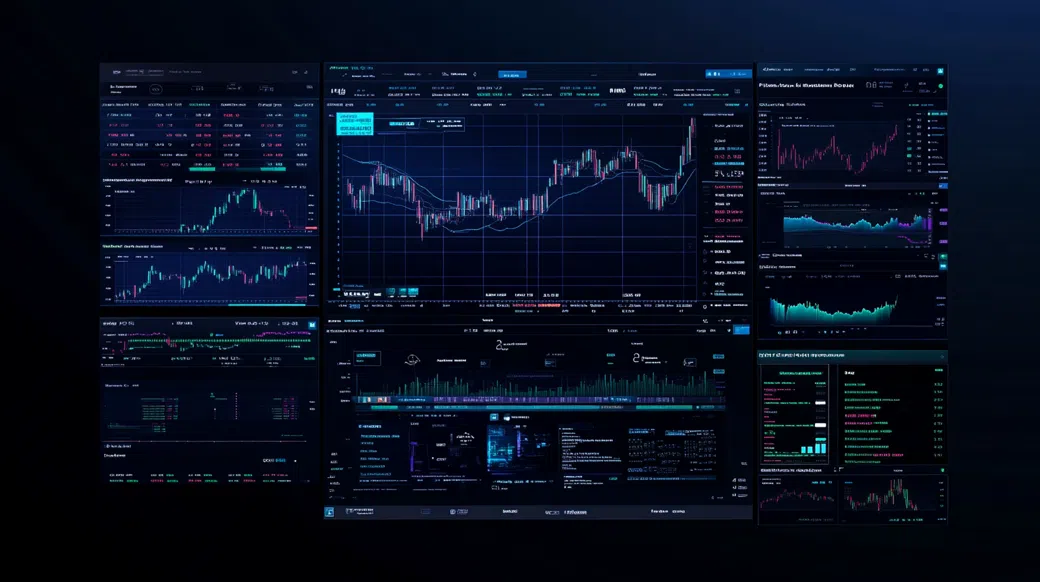
Across Europe, the conversation around “AI trading” has shifted from marketing to mechanics: execution quality, custody safeguards, and how frictionless it is to get money in and out. Trustenix AI is typically presented as a CFD-first venue with a proprietary WebTrader and companion mobile apps, aimed at retail traders who want quick access to forex and index/commodity CFDs, often with crypto CFDs on the menu as well. In the same offshore segment, the common pattern is higher headline leverage (often up to 1:500), a relatively simple platform stack, and a fee schedule that looks competitive at first glance but can become less clear once you factor in swaps, withdrawals, and slippage during fast markets.
That mix is exactly why “Trustenix AI alternatives” is a frequent search in 2026. The decision is rarely ideological; it’s usually operational. If your strategy depends on tight spreads (think: short-horizon FX), the difference between 2.0 pips on EUR/USD and a low-spread + commission model can dominate your monthly P&L far more than any “AI” label. If your goal is longer-term investing, the bigger gap may be access to real stocks/ETFs (with investor protections and proper statements) rather than stock CFDs. And if you simply want regulatory recourse, the jurisdiction matters. For readers starting their due diligence, here is the reference point: Trustenix AI.
Disclaimer: This article is for informational purposes only and does not constitute investment advice. Trading CFDs and other leveraged products involves a high risk of loss and may not be suitable for all investors.
From a market-structure lens, Trustenix AI sits in the offshore CFD broker ecosystem: access is typically centered on FX pairs and CFD contracts on indices, commodities, and (often) crypto, rather than direct exchange-traded ownership. Publicly observed setups in this category are commonly run under a Seychelles FSA framework, with trading provided via a proprietary WebTrader and mobile apps. The product design tends to prioritize onboarding speed and simple order placement over deep analytics, multi-venue routing, or institutional-grade reporting. For that reason, brokers similar to Trustenix AI are usually best understood as short-term leveraged trading venues, not as full-spectrum brokerage accounts.
The platform stack is usually a browser-based WebTrader with basic-to-mid charting and a mirrored iOS/Android experience. Expect standard retail tooling: common indicators, drawing tools, and one-click trading on popular instruments. Order handling is typically straightforward (market/limit/stop), with the account dashboard focused on margin, open P&L, and funding history. Where platforms like Trustenix AI often diverge from top-tier venues is depth: fewer conditional order types, limited workflow for multi-leg strategies, and less transparency around execution (for example, how often negative slippage occurs during high-volatility releases).
Pricing in this segment is usually spread-led. A realistic benchmark for a standard-style account is EUR/USD “from ~2.0 pips,” with leverage sometimes marketed up to 1:500 and a minimum deposit that often lands around $250. Some offshore providers also advertise a raw/ECN-style tier (commonly 0.0–0.4 pips plus a commission in the ~$5–$8 round-turn range), though the actual all-in cost depends on fill quality and how frequently you trade. Beyond spreads, pay attention to swap/overnight financing for held positions, plus any withdrawal or inactivity charges that can quietly raise your effective cost per trade.
In practice, switching decisions tend to start with a single pain point and then spread into a broader audit—pricing, execution, and legal protections all interact. For many retail accounts, the “aha moment” is realizing that a few tenths of a pip in average spread, multiplied across dozens of round turns, can outweigh the appeal of high leverage. That cost focus is one reason Trustenix AI alternatives remain a persistent theme among EU and UK traders who can access FCA/CySEC-regulated venues with clearer disclosures and investor-protection frameworks.
Think of platform selection as matching your strategy’s failure modes to a broker’s safeguards. If you scalp, execution and costs dominate; if you invest, custody and reporting matter; if you hedge, instrument breadth and margin policy become decisive. Alternatives to the Trustenix AI trading platform should be evaluated with the same discipline you’d apply to a new trading system: define requirements, test assumptions, and verify what is regulated versus merely advertised.
Start with jurisdiction. FCA-regulated firms in the UK sit under a well-defined rulebook and may fall under the FSCS investor compensation scheme (up to £85,000 in eligible cases). In the EU, CySEC-regulated brokers can be connected to the ICF (up to €20,000, eligibility-dependent). Look for segregated client funds and clear negative balance protection policies for retail clients where applicable. A quick register check beats any homepage badge.
Write down what you truly need: FX and index CFDs, or a portfolio that includes cash equities and ETFs. Many competitors to Trustenix AI can provide broader market access, including options and futures, which changes risk controls and hedging capability. If your plan includes “investing” (dividends, voting rights, long-term holding), prioritize brokers that offer real shares rather than synthetic exposure. For crypto, decide whether you want CFD exposure or actual coin custody—those are different products.
Compare round-turn cost-of-trade, not marketing headlines. A standard account with ~2.0 pips on EUR/USD can be materially more expensive than a raw-spread account that charges commission but prints tighter averages—especially for high-frequency styles. Also audit swaps/overnight fees (they can dominate swing-trade performance), plus non-trading charges like inactivity and withdrawal fees. The cheapest-looking spread is irrelevant if slippage and re-quotes (or widened spreads) show up at the times you trade.
Platform choice is workflow choice. MT4/MT5 and cTrader offer deep ecosystem support (EAs, indicators, VPS setups), while proprietary platforms can be cleaner but less extensible. Execution model matters: market maker, STP/ECN, and DMA differ in how orders are internalized or routed, and that shows up as spread stability and slippage around macro releases. If you’re benchmarking platforms like Trustenix AI, test fills with small size at your target sessions, not only during quiet hours.
Operational resilience is underrated. Look for multilingual support (important across the EU), clear ticketing, and transparent status updates during outages. Education content is useful, but it should not replace product disclosures; the best resources explain margin calls, leverage, and risk limits in plain language. Finally, mobile parity matters: many retail traders manage risk from a phone, so watchlist syncing, alerts, and order amendments should work consistently across devices.
FX and CFD trading is where Trustenix AI is positioned, typically offering around 30–50 FX pairs plus a limited set of indices and commodities. The question is not whether you can place a trade—it’s what the trade costs after spreads, swaps, and execution friction. With a typical EUR/USD spread around ~2.0 pips on a standard-style setup and leverage promoted up to 1:500, the economic reality for active traders is that cost control matters more than maximum leverage. In regulated venues such as Pepperstone or IG, the toolchain and disclosure quality are usually stronger, and you can choose between spread-only versus raw+commission structures. If you run short holding periods, monitor slippage and spread widening during London/NY overlaps; that’s where broker infrastructure shows up in the tape.
Stock and ETF access is the clearest functional gap for many offshore CFD-first platforms. Even when “stocks” are listed, the product is frequently a CFD on equities, which means no shareholder rights, no direct participation in corporate actions beyond cash adjustments, and different tax documentation than a cash-equity account. Traders searching for regulated options vs Trustenix AI often do so because they want consolidated reporting, robust statements, and access to multiple exchanges. Interactive Brokers is the reference point for broad, direct market access (DMA) across equities, options, futures, and more, while Saxo Bank is strong for multi-asset workflows with a polished platform stack. For EU readers, this distinction also affects long-term risk management: custody and reporting quality are part of the “return” you’re buying.
Crypto on offshore CFD platforms is usually “price exposure” via CFDs on major coins (often a list of 10–30), rather than on-chain ownership or spot custody. That matters operationally: you can’t withdraw coins to a wallet, and you’re trading a leveraged derivative with financing costs and platform-specific trading conditions. For some traders, that’s acceptable—especially for short-term directional views—yet the risk profile is different from buying and holding spot crypto. Among top substitutes for Trustenix AI in 2026, IG and Plus500 are commonly used for regulated crypto CFD exposure (where permitted), with clearer risk disclosures and established compliance processes. If crypto is central to your plan, confirm regional eligibility and product classification before depositing funds.
Regulation: SEC/FINRA (US), FCA (UK), IIROC (Canada)
Markets: Stocks, ETFs, options, futures, bonds, FX
Fees: FX pricing typically commission-based with tight spreads; equity commissions vary by venue and plan
Platform: Trader Workstation (TWS), IBKR Desktop, web and mobile
Best For: Multi-asset traders needing real-market access and institutional-grade reporting
Regulation: FCA (UK), ASIC (Australia), CySEC (Cyprus), DFSA (Dubai)
Markets: FX and CFDs (indices, commodities, some crypto CFDs where permitted)
Fees: EUR/USD often ~0.0–0.3 pips on Razor/Raw-style accounts + commission; ~1.0+ pip typical on Standard
Platform: MT4, MT5, cTrader, TradingView integration (where available)
Best For: Cost-sensitive FX traders running automation (EAs) and scalping workflows
Regulation: FCA (UK), MAS (Singapore), DFSA (Dubai)
Markets: Stocks, ETFs, bonds, options, futures, FX, CFDs
Fees: Costs vary by tier; FX spreads commonly competitive on major pairs, with commissions/fees depending on asset and schedule
Platform: SaxoTraderGO, SaxoTraderPRO
Best For: Portfolio builders who want one account for investing and hedging
Regulation: FCA (UK), ASIC (Australia), MAS (Singapore)
Markets: CFDs on FX, indices, commodities, shares; spread betting (UK); limited crypto CFDs where permitted
Fees: Spread-led pricing; major FX spreads often competitive, with costs dependent on instrument and market conditions
Platform: IG web platform, mobile apps, MT4 (in supported regions)
Best For: Macro and index CFD traders who value a mature risk/disclosure framework
Regulation: CFTC/NFA (US), FCA (UK), ASIC (Australia), IIROC (Canada)
Markets: Primarily FX; CFDs available in some regions
Fees: Typically spread-based; major-pair spreads can be competitive, with costs varying by account type and region
Platform: OANDA web/mobile, MT4 (in supported regions), API access (region-dependent)
Best For: FX-first traders prioritizing transparency, tooling, and regional regulatory coverage
Regulation: FCA (UK), CySEC (Cyprus), ASIC (Australia), MAS (Singapore)
Markets: CFDs on FX, indices, commodities, shares; crypto CFDs where permitted
Fees: Spread-only model; costs vary by instrument, liquidity, and time of day, with overnight funding for held positions
Platform: Plus500 proprietary WebTrader and mobile apps
Best For: Beginners who want a simple CFD interface and straightforward product scope
| Platform | Regulation | Main Markets | Typical Costs | Best For |
|---|---|---|---|---|
| Interactive Brokers (IBKR) | SEC/FINRA, FCA, IIROC | Real stocks/ETFs, options, futures, bonds, FX | Commission-based FX with tight spreads; exchange/plan-based equity pricing | Multi-asset traders needing real-market access and institutional-grade reporting |
| Pepperstone | FCA, ASIC, CySEC, DFSA | FX + CFDs | Raw ~0.0–0.3 pips + commission; Standard ~1.0+ pip (major FX, typical ranges) | Cost-sensitive FX traders running automation (EAs) and scalping workflows |
| Saxo Bank | FCA, MAS, DFSA | Stocks/ETFs, options, futures, FX, CFDs | Tiered schedules; competitive major-FX spreads; asset-based commissions/fees | Portfolio builders who want one account for investing and hedging |
| IG | FCA, ASIC, MAS | CFDs (FX/indices/commodities/shares); spread betting (UK) | Spread-led; costs vary by instrument; funding costs for overnight holds | Macro and index CFD traders who value a mature risk/disclosure framework |
| OANDA | CFTC/NFA, FCA, ASIC, IIROC | FX (plus CFDs in some regions) | Spread-based pricing; regional account structures affect all-in cost | FX-first traders prioritizing transparency, tooling, and regional regulatory coverage |
| Plus500 | FCA, CySEC, ASIC, MAS | CFDs across major asset groups | Spread-only; variable spreads + overnight funding depending on instrument | Beginners who want a simple CFD interface and straightforward product scope |
Migration is less about “closing an account” and more about controlling operational risk while you change venues. Treat it like a production rollout: verify the destination first, move funds in a traceable way, and test execution before scaling size. If you’re trading leveraged CFDs, keep margin buffers conservative during the transition—platform differences can turn small assumptions into large drawdowns. This is also the moment to archive records from Trustenix AI so you can reconcile performance and taxes later.
If you’re benchmarking platforms, check the current onboarding steps, supported regions, and the exact product list before committing capital. A quick comparison against regulated Trustenix AI alternatives—platform stack, costs, and protections—will usually surface the best fit for your trading style.
Visit Trustenix AIThe best alternative depends on whether you need CFDs only or broader market access. For real stocks/ETFs and deep tooling, Interactive Brokers is hard to beat; for FX-focused execution with MT4/MT5/cTrader, Pepperstone is often a better operational match than offshore venues. If you want a simpler CFD-only interface under tier-1 regulation, Plus500 or IG are common choices in eligible regions.
Trustenix AI is generally described in an offshore/unregulated context, commonly associated with a Seychelles FSA framework rather than top-tier retail regimes like FCA or NFA. That doesn’t automatically mean “unsafe,” but it does change the level of investor protection, dispute resolution, and oversight you can realistically rely on. If safety is your priority, focus on regulated options vs Trustenix AI that offer segregated client funds and clearer investor-protection mechanisms.
Trustenix AI is typically positioned around forex and CFDs, with crypto exposure often offered as crypto CFDs rather than on-chain ownership. Futures and direct exchange-traded stock access are less typical for this platform category; “stocks” are more often delivered as CFDs (no shareholder rights). Traders who need real equities, options, or futures usually move to brokers similar to Trustenix AI only in UX—not in market access—such as Interactive Brokers or Saxo Bank.
Before switching, verify the new broker’s exact legal entity on the regulator’s public register and confirm your region is supported. Next, compare all-in trading costs (spread + commission + swaps) and test execution with small size to observe slippage and spread widening during your trading hours. Finally, export statements and funding history from Trustenix AI, then withdraw using the same payment method used for deposits to avoid AML-related delays.
About the Author: Elena Marchetti is a Milan-based fintech analyst who tracks European brokerage platforms, market microstructure, and how execution quality shows up in real retail trading outcomes. She focuses on measurable variables—cost of trade, protections, and workflow—before narrative claims about “AI” or performance.