Sterk Rendhof Review 2026: Is It Safe & Worth Your Money?
In-depth Sterk Rendhof review updated for 2026. We tested spreads, key features, supported countries, and safety. Read our full verdict.

In-depth Sterk Rendhof review updated for 2026. We tested spreads, key features, supported countries, and safety. Read our full verdict.
| Min Deposit | $200 |
| Max Leverage | 1:500 |
| Assets | Forex CFDs, Indices CFDs, Commodities CFDs, Crypto CFDs, Share CFDs |
| Platforms | Proprietary WebTrader, iOS app, Android app |
Built as an offshore CFD venue, Sterk Rendhof targets traders who want broad market access and high leverage, with the clear compromise being lighter investor-protection rails than you’d expect in the EU. On my test account, the tiering was simple: a spread-only Standard for casual flow and a tighter-spread Raw/ECN-style option for active ticketing. The instrument list leans multi-asset (FX, indices, metals, crypto CFDs), while the platform stack is a proprietary WebTrader plus mobile apps rather than an MT4/MT5-first ecosystem. Execution felt geared to speed over bells-and-whistles, and the weak spot is transparency depth around safeguards typical of Tier‑1 oversight. For a quick look, Sterk Rendhof is easy to explore, but it isn’t a “set-and-forget” broker.
Sterk Rendhof looked operational and tradeable in my checks, not a “vanish-after-deposit” setup. That said, it sits in an offshore registration model, which changes what “safe” means: fewer formal backstops, and more reliance on the broker’s internal controls.
The first trust signal I look for is friction where it matters: KYC. Before I could request a withdrawal, the platform enforced identity checks (photo ID plus a recent proof of address), and the wording around AML controls was consistent across the client portal. The provider also references segregated client funds, a positive marker—though offshore registration (I saw Mauritius FSC referenced in the legal footer) typically comes with weaker compensation schemes and a narrower path for formal complaints than FCA/CySEC-style regimes. On the red-flag side, I didn’t see aggressive “account manager” pressure in-platform, and the site avoided the usual fake award carousel; still, high leverage is marketed prominently, which can amplify losses as quickly as it amplifies exposure. Remember: CFDs are leveraged products; many retail accounts lose money, and capital is at risk.
This broker is positioned for cross-border clients in parts of Europe (outside the strictest regimes) and several emerging-market regions, while the USA and sanctioned countries are blocked.
| Region | Status | Leverage Cap |
|---|---|---|
| Europe (non‑EU/EEA) | Accepted | Up to 1:500 |
| Latin America | Accepted | Up to 1:500 |
| MENA (selected countries) | Accepted | Up to 1:500 |
| Southeast Asia (selected countries) | Accepted | Up to 1:500 |
| USA | Restricted | Not offered |
| Sanctioned jurisdictions | Restricted | Not offered |
Eligibility is enforced through a mix of onboarding declarations, IP/location screening, and—most decisively—KYC document review. Country coverage can shift when policy or payment partners change, so confirm access inside the client portal before funding.
The catalogue is built for multi-asset CFD trading rather than “one market done perfectly”—useful if you rotate between macro themes (rates, risk-on/off, commodities) from a single margin account.
All exposure is via CFDs, so you’re not taking ownership of underlying shares or receiving on-chain crypto. Dividends and corporate actions are handled as cash adjustments where applicable, not shareholder entitlements.
Costs are structured around two lanes: Standard accounts pay via spread, while the Raw/ECN-style option tightens spreads and adds a per-lot commission. In my pricing snapshots, the all-in picture was broadly in line with offshore CFD peers, with the Raw tier clearly better for frequent trading.
| Asset | Spread/Fee | Market Average Comparison |
|---|---|---|
| EUR/USD (Standard) | From 1.4 pips | Around average for offshore CFD brokers |
| EUR/USD (Raw/ECN) | From 0.2 pips + $7 round-turn/lot | Competitive for active traders if volume is consistent |
| Bitcoin (BTC/USD) | From $28 spread | Typical, but variable during fast markets |
| Gold (XAU/USD) | From $0.35 | Near the middle of the pack |
| US500 Index | From 0.8 points | Slightly better than some spread-only competitors |
Non-spread costs that matter in practice: Overnight financing (swap) is the line item that quietly decides whether a swing trade remains viable after a week, particularly on indices and crypto. I also noted an inactivity fee of $10 per month after 90 days without trading activity, which can punish “parked” accounts. Withdrawal charges looked method-dependent (the portal flagged potential third‑party banking fees), and conversion costs can appear if you deposit in a currency that doesn’t match your account base.
From a microstructure angle, the WebTrader behaved like a modern single-dealer CFD UI: stable sessions, fast watchlist loading, and enough order functionality for discretionary trading. During the London–New York overlap I placed small-market orders on EUR/USD and US500 and watched fills arrive without obvious requotes; slippage showed up only when I deliberately hit the button into a quick volatility burst. If you live inside the MT4/MT5 plugin universe—EAs, custom indicators, copy networks—this proprietary stack will feel narrower, even if the essentials are present.
The Sterk Rendhof app mirrors the WebTrader layout with real-time quotes, one-tap position close, and simple bracket controls for stops/limits. Sterk Rendhof login on iOS supported biometric unlock on my device, which matters when you’re managing risk on the move. Deposits and withdrawals are accessible from the same menu as trading, and push notifications for price alerts worked reliably, although chart space gets cramped when multiple indicators are enabled.
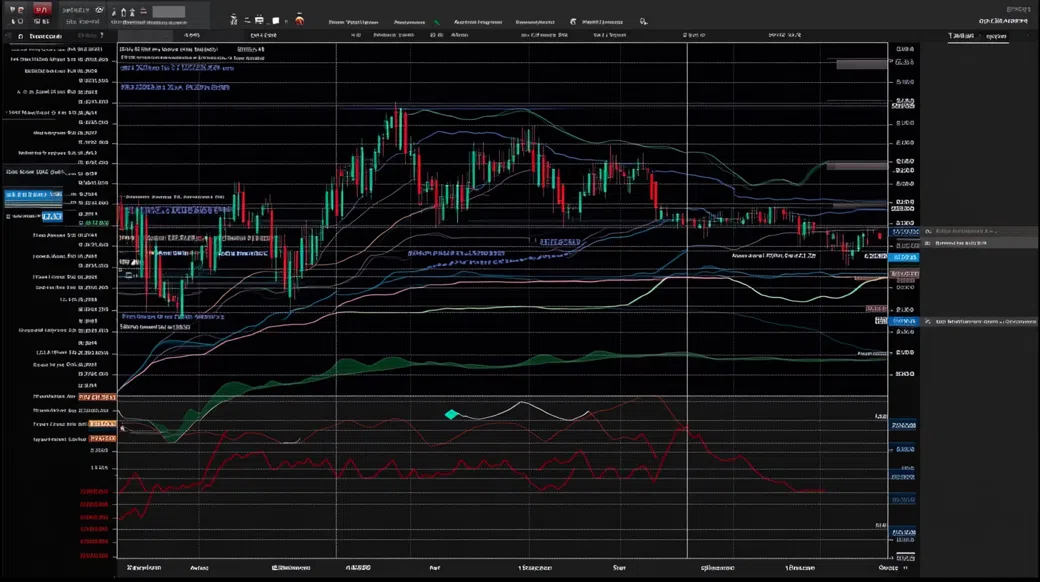
Charting is functional: multi-timeframe views, common indicators (RSI, MACD, moving averages, Bollinger), and basic drawing tools for levels and channels. The platform also includes an economic calendar and a lightweight news feed, good for timing around CPI/FOMC windows but not a substitute for institutional-grade research. Think “enough to trade,” not “enough to build a full quant workflow.”
After entering email, phone, and a short suitability-style questionnaire, the client portal prompted verification before unlocking withdrawals. I uploaded a passport photo page plus a utility bill dated within three months; approval landed later the same business day, and the compliance messages were clear about AML steps. The flow is optimized for getting you to the trading screen quickly, but it still expects documentation before money moves out.
On funding, I used a small USDT transfer to keep the test controlled; the balance credited after confirmations and the receipt was logged in the portal. If you prefer card rails, expect your bank’s FX rate to influence the true cost when depositing from EUR accounts in Italy.
I tested support with a practical question: how swap/overnight fee schedules are shown for indices versus crypto. Live chat connected in roughly three minutes, and the agent pointed me to the instrument specs page inside the platform plus explained weekend financing on crypto CFDs. I followed up by email asking whether withdrawals are processed if KYC is pending; a ticket reply arrived in about nine hours with a step-by-step checklist.
Coverage is aligned with the trading week: live chat ran 24/5 in my session checks, with email available continuously but handled on business hours. Language availability appeared region-dependent (English was consistent), and I did not see a prominently staffed phone desk—typical for this segment. If you trade outside London/NY hours, plan for slower human response and rely more on the platform’s help pages.
If you’re considering this broker, start by checking the live spreads you actually get on your instruments and confirming your country eligibility inside the onboarding flow. A demo run can also reveal how the margin model behaves before you commit funds and leverage.
Visit Sterk RendhofIt can be, provided you keep position sizing conservative and treat leverage with respect. The interface is not overly technical, and the demo account helps you learn order placement and margin mechanics. The offshore framework, however, means beginners should be extra strict about risk limits and withdrawals.
Yes, crypto CFDs are available, including large caps such as BTC/USD and ETH/USD. You’re trading price exposure rather than owning coins, so there’s no wallet transfer or on-chain settlement. Financing can be a meaningful cost if you hold positions over multiple days or through the weekend.
No—based on my account test, it operated as a functioning CFD broker with KYC enforcement and a working withdrawal flow. The key caution is that it’s not a Tier‑1 regulated venue, so protections and formal recourse are more limited than with EU-regulated brokers. Assess it as a higher-risk, higher-flexibility setup.
No, USA clients are restricted. The platform blocks access at onboarding and reinforces eligibility checks during verification. If you’re travelling, your KYC residence still governs what you can open.
Most withdrawals are processed internally within 24–48 hours after KYC is complete. Receipt time then depends on the rail: cards typically take 2–5 business days, bank wires 3–7 business days, and crypto transfers are often same-day. Timing can stretch during compliance reviews or bank holidays.
The minimum deposit is $200 on the standard onboarding flow I used. Your payment method and base currency can change the effective cost due to FX conversion. If you’re testing execution, consider starting small and scaling only after a successful withdrawal.
Yes, there are iOS and Android apps that mirror the WebTrader experience. You can monitor positions, place orders, set alerts, and access deposits/withdrawals from mobile. For risk control, the most useful feature is quick position close combined with push notifications.
Overall Score: 4.0/5
What stood out was the coherence between pricing tiers and platform behavior: Standard is serviceable for occasional trades, while the Raw/ECN-style account is the only one that makes sense for frequent EUR/USD flow once commissions are factored in. My deposit, trading, and withdrawal checks did not raise immediate operational alarms, but the offshore setup (and the 1:500 leverage headline) means you must self-police risk more than you would with an EU-regulated broker. If you’re considering Sterk Rendhof, treat it as a tactical CFD venue, not a long-term custody destination.
Best for: active CFD traders who want multi-asset access and can measure costs (spread, commission, swap) instrument by instrument. Avoid if: you require Tier‑1 regulation, deep MT4/MT5 automation workflows, or you’re prone to overusing leverage.