Sente Trocélure Alternatives 2026: Safer Broker Options
A data-first guide to Sente Trocélure alternatives in 2026—compare regulated brokers, costs, platforms, execution quality, and migration safety steps.

A data-first guide to Sente Trocélure alternatives in 2026—compare regulated brokers, costs, platforms, execution quality, and migration safety steps.
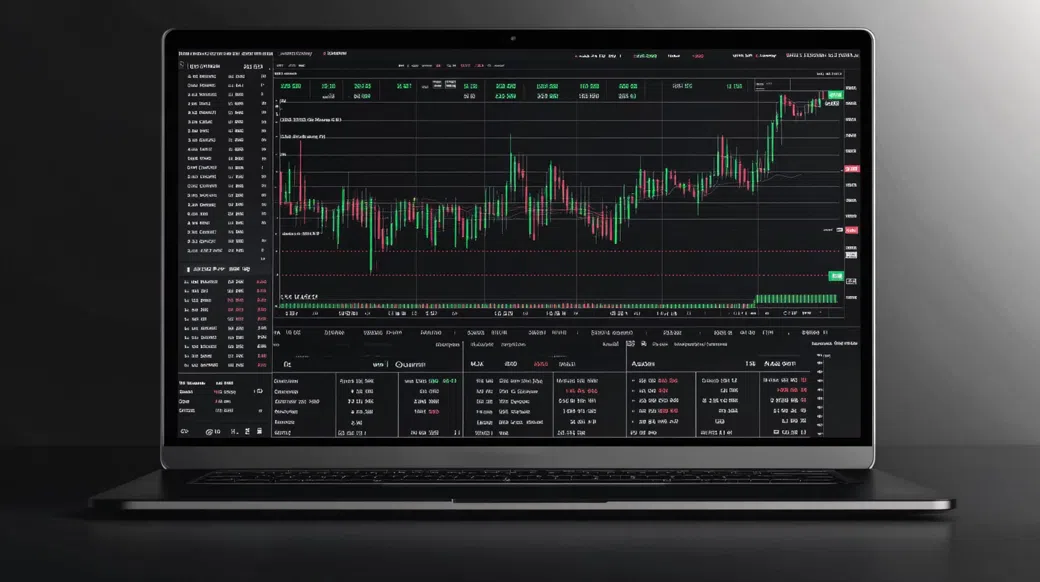
Speed is seductive in online trading. A clean WebTrader, a mobile app that loads fast, and leverage that looks generous on paper can make an offshore CFD venue feel “good enough” for a while. That’s the context in which many traders encounter Sente Trocélure: a CFD-first setup that appears to focus on forex and index/commodity CFDs, with crypto CFDs often present as well. Publicly, it resembles the offshore segment—high maximum leverage (commonly marketed around 1:500), a relatively low entry point (often around a $250 minimum deposit), and a proprietary browser platform built for basic-to-mid workflow rather than deep automation.
Where the friction starts is usually not the first trade; it’s everything around it. Execution details (slippage during news, how stops are handled), clarity on costs beyond the headline spread, and the “plumbing” of withdrawals and KYC/AML checks matter more when you size up. This is why 2026 search interest for Sente Trocélure alternatives is not just about finding another charting screen. It’s a risk-control exercise: moving toward venues with verifiable regulation, clearer client-money safeguards, and platform stacks that match how you actually trade—manual, systematic, or multi-asset.
Disclaimer: This article is for informational purposes only and does not constitute investment advice. CFDs and other leveraged products carry a high risk of loss and may not be suitable for all investors.
From a market-structure lens, Sente Trocélure looks like a retail CFD venue positioned for short-horizon speculation rather than long-horizon investing. The regulatory footprint is typically described in offshore terms; a common pattern in this category is registration under the Seychelles FSA framework rather than a top-tier onshore regulator. Product-wise, the core tends to be forex (roughly 30–50 pairs), plus a mid-sized set of index and commodity CFDs, and a crypto CFD list that can run into the teens. The audience fit is clear: traders who want a quick onboarding path and a simple interface—often outside restricted regions (the USA is generally not supported) and comfortable with higher leverage.
The proprietary WebTrader is usually the “center console”: watchlists, basic charting, and order entry in a single browser workflow. Charting depth tends to be adequate for discretionary trading—common timeframes, a standard indicator pack, and drawing tools that cover the basics (trendlines, horizontal levels). Order functionality often includes market/limit/stop, but advanced conditional logic is typically thinner than MT4/MT5 or cTrader ecosystems. Mobile parity is a key selling point in this segment: iOS/Android apps frequently mirror the web layout with quick position management and push notifications. For traders comparing platforms like Sente Trocélure, the practical question is whether the platform supports your execution habits (one-click scalps vs. staged entries vs. risk-managed bracket orders).
Costs in offshore CFD venues are often presented as “simple,” but the real bill is layered. A typical reference point is EUR/USD around 2.0 pips on a standard-style account. Some brokers in this tier advertise tighter “raw” pricing (often 0.0–0.4 pips) paired with a commission in the $6–$8 round-turn range, though terms vary and can be hard to verify. Beyond spreads and commissions, the recurring drag is swap/overnight financing—especially if you hold indices or FX through multiple sessions. Traders should also watch for non-trade fees (withdrawal handling, inactivity policies) because these can dominate outcomes for small accounts more than a single pip ever will.
Two things usually trigger a platform switch: the moment you try to scale size, and the moment you try to control risk more precisely. With offshore CFD providers, the pain point is rarely the first deposit; it’s uncertainty around the execution model, the transparency of fees, and the durability of client protections when markets gap. That’s why Sente Trocélure alternatives often show up on a trader’s shortlist when they move from “testing” to “repeating.” The goal is less excitement, more predictability—tighter governance, clearer dispute pathways, and toolsets that align with your strategy rather than your attention span.
Selection works best as a “fit-to-strategy” audit. Start with what you trade (FX scalps vs. index swings vs. multi-asset allocation), then map that to regulation, execution, and total cost. The strongest substitutes for offshore platforms are the ones where you can validate the legal entity, the regulator, and the client-money model in a few minutes—before you even look at spreads.
Prioritise brokers supervised by regulators with enforcement capacity and public registers: FCA (UK), ASIC (Australia), CySEC (Cyprus/EU), and NFA/CFTC (US for FX). In the UK, FCA-regulated firms may fall under FSCS protection up to £85,000 (eligibility depends on the product and entity). In Cyprus, the ICF can cover up to €20,000 for eligible claims. Add the basics: segregated client funds, clear complaint handling, and transparent legal documentation.
Many traders leaving offshore CFD venues are actually changing their market mix. If you want long-term exposure, you may need real stocks/ETFs (with ownership rights) rather than equity CFDs. If you hedge professionally, you may need options or futures. For FX-only traders, depth in majors/minors and stable rollover terms matter more than having 25 crypto tickers. The best alternatives to the Sente Trocélure trading platform separate “tradeable” from “investable,” and are explicit about what is CFD-only.
Use a round-turn lens: spread cost + commission + typical slippage, then layer swap/overnight where relevant. A scalper doing 200 round-turn lots a month will feel a 0.5–1.0 pip difference immediately; a swing trader may feel swap more than spread. Also check for inactivity charges and withdrawal policies—small-account economics can be destroyed by non-trading fees. Among regulated options vs Sente Trocélure, the “cheapest” broker is often the one with stable execution and consistent pricing, not the lowest advertised minimum.
Platform choice is a workflow decision. MT4/MT5 and cTrader support automation, advanced order types, and a larger third-party ecosystem; proprietary platforms can be clean but narrower. Execution model matters too: market maker vs. STP/ECN/DMA influences how orders route and how slippage behaves during volatility. If you are currently on Sente Trocélure or similar, test the new broker with small size during liquid hours and at least one high-volatility window to observe latency and stop handling.
In practice, support quality shows up in edge cases: a margin call you dispute, a corporate action on an equity CFD, or a withdrawal review. Look for multilingual coverage (especially in the EU), clear ticketing, and realistic response times. Education is not a bonus; it’s a proxy for how seriously a broker takes retail suitability. Finally, check mobile parity—if you manage risk on the phone, missing order controls on mobile is not a cosmetic flaw.
On FX and index/commodity CFDs, the core comparison is execution + total cost, not leverage. An offshore profile may advertise 1:500 leverage and show EUR/USD around 2.0 pips; that combination can amplify churn if you overtrade. Regulated FX/CFD specialists such as Pepperstone and IC Markets are often chosen by active traders because they offer MT4/MT5/cTrader stacks and pricing that can be meaningfully tighter on raw-style accounts (commission-based, with spreads that may print near zero in liquid periods). The microstructure detail: with faster routing and clearer execution disclosures, you can better attribute outcomes—spread vs. slippage vs. strategy error. For traders evaluating brokers similar to Sente Trocélure, that attribution is the difference between “the broker is the problem” and “my entries are late.”
This is where many offshore CFD platforms show their limits. Even if equity symbols are listed, the exposure is commonly via CFDs—no shareholder voting rights, no direct participation in dividends beyond synthetic adjustments, and financing costs that can be material over time. Multi-asset venues like Interactive Brokers and Saxo Bank are designed for actual exchange access: stocks and ETFs (often with DMA routing choices), plus options and futures depending on region and permissions. For a US/EU audience, the difference is structural: “owning” an ETF for months is a different activity than trading an ETF CFD for a week. When searching for top substitutes for Sente Trocélure, decide first whether you are trading price moves or building exposure—then choose the account type accordingly.
Crypto is the most misunderstood category in retail trading comparisons. Offshore CFD providers frequently offer crypto CFDs, which track price but do not give on-chain ownership or withdrawal to a wallet. That can be fine for short-term speculation, but it’s not the same as holding spot crypto. In regulated CFD land, brokers such as IG (where available) and Plus500 may provide crypto CFD exposure under tighter oversight and clearer risk controls than offshore venues. The trading reality is still harsh: crypto volatility plus leverage can create rapid margin calls and gap risk. If your objective is long-horizon custody, the right “alternative” is often outside the CFD broker universe altogether—something many people realise only after comparing competitors to Sente Trocélure side by side.
Regulation: SEC/FINRA (US), FCA (UK), IIROC (Canada)
Markets: Stocks, ETFs, options, futures, bonds, FX
Fees: FX spreads vary by market/liquidity; commissions apply on many asset classes (schedule-based), typically competitive for active traders
Platform: Trader Workstation (TWS), IBKR Mobile, Web portal, API
Best For: Multi-asset traders who care about routing and market access
Regulation: FCA (UK), ASIC (Australia), CySEC (Cyprus), DFSA (Dubai)
Markets: FX and CFDs (indices, commodities; offering varies by entity)
Fees: Standard accounts often from ~1.0–1.2 pips on EUR/USD; Razor/Raw-style pricing can be ~0.0–0.3 pips plus commission (varies by platform/entity)
Platform: MT4, MT5, cTrader, TradingView integrations (where available)
Best For: Algorithmic FX traders using MT4/MT5/cTrader
Regulation: FCA (UK), ASIC (Australia), MAS (Singapore)
Markets: CFDs (FX, indices, commodities, shares); spread betting in the UK (where permitted)
Fees: FX spreads often from ~0.6–1.0 pips on majors (account and region dependent); overnight financing applies on CFDs
Platform: IG proprietary web platform, mobile apps; MT4 support in some regions
Best For: Risk-managed CFD trading with strong regulatory oversight
Regulation: FCA (UK), MAS (Singapore), DFSA (Dubai)
Markets: Stocks, ETFs, bonds, options, futures, FX, CFDs
Fees: FX spreads typically tiered by account/volume (often competitive for larger accounts); commissions apply on exchange-traded products
Platform: SaxoTraderGO, SaxoTraderPRO
Best For: Portfolio-style traders combining FX with listed markets
Regulation: ASIC (Australia), CySEC (Cyprus), FSA (Seychelles) (group-level)
Markets: FX and CFDs (indices, commodities; product set depends on entity)
Fees: Raw spreads can be ~0.0–0.2 pips on EUR/USD plus commission (commission varies by platform/account); Standard typically wider
Platform: MT4, MT5, cTrader
Best For: High-frequency style execution on raw pricing
Regulation: FCA (UK), CySEC (Cyprus), FSC (Bulgaria)
Markets: Stocks and ETFs (investment accounts); CFDs (where available and permitted)
Fees: Investing side often commission-free on many instruments (costs can include FX conversion); CFDs incorporate spread and overnight financing
Platform: Proprietary web and mobile platform
Best For: EU/UK users mixing ETF investing with light CFD use
| Platform | Regulation | Main Markets | Typical Costs | Best For |
|---|---|---|---|---|
| Interactive Brokers (IBKR) | SEC/FINRA, FCA, IIROC | Stocks/ETFs, options, futures, bonds, FX | Schedule-based commissions; FX pricing varies by liquidity/venue | Multi-asset traders who care about routing and market access |
| Pepperstone | FCA, ASIC, CySEC, DFSA | FX + CFDs (indices/commodities) | Std ~1.0–1.2 pips; Raw ~0.0–0.3 pips + commission | Algorithmic FX traders using MT4/MT5/cTrader |
| IG | FCA, ASIC, MAS | CFDs across FX/indices/commodities/shares | Majors often ~0.6–1.0 pips; financing on CFD holds | Risk-managed CFD trading with strong regulatory oversight |
| Saxo Bank | FCA, MAS, DFSA | Listed markets + FX + CFDs | Tiered spreads/fees; commissions on exchange-traded products | Portfolio-style traders combining FX with listed markets |
| IC Markets | ASIC, CySEC, FSA (Seychelles) (group-level) | FX + CFDs (indices/commodities) | Raw ~0.0–0.2 pips + commission; Standard wider | High-frequency style execution on raw pricing |
| Trading 212 | FCA, CySEC, FSC (Bulgaria) | Stocks/ETFs (investing) + CFDs (where offered) | Investing often commission-free; CFDs: spread + overnight | EU/UK users mixing ETF investing with light CFD use |
Switching brokers is operational risk disguised as a “new account” task. Treat it like a controlled rollout: verify the destination, reduce exposure before moving cash, and keep records so you can reconcile every balance line. Most importantly, remember that leverage can magnify errors during the transition—avoid carrying oversized positions while you are still learning the new platform’s margin logic and order behaviour.
If you’re still evaluating your options, review the current onboarding flow, product list, and trading conditions directly, then compare them against regulated competitors on execution, costs, and protections. Regional eligibility changes, so check access and documentation before committing capital.
Visit Sente TrocélureThe best option depends on whether you want multi-asset access or tighter FX/CFD execution. For broad market coverage (stocks, ETFs, options, futures plus FX), Interactive Brokers or Saxo Bank are strong picks; for FX-first trading with MT4/MT5/cTrader ecosystems, Pepperstone or IC Markets are often closer functional matches. For many readers, “best” in 2026 means the broker whose regulation and execution model you can verify quickly, not the one advertising the highest leverage.
Sente Trocélure appears consistent with an offshore framework (commonly associated with the Seychelles FSA category) rather than top-tier onshore regulators like the FCA, ASIC, CySEC, or NFA. That does not automatically mean “unsafe,” but it typically implies weaker investor protections and fewer formal compensation routes compared with FCA/FSCS or CySEC/ICF structures. If safety is your primary constraint, prioritise regulated Sente Trocélure alternatives where client-fund segregation and complaint pathways are clearer.
Sente Trocélure is typically positioned around forex and CFDs, with crypto exposure commonly offered as crypto CFDs rather than on-chain ownership. Real stocks/ETFs and listed futures are often not the focus in this offshore CFD model, or they may be offered only synthetically via CFDs. If you need exchange-traded stocks/ETFs or futures access, Interactive Brokers and Saxo Bank are better-aligned competitors to Sente Trocélure for that requirement.
Before switching, validate the new broker’s regulator and legal entity on the official register, then verify product terms (contract sizes, margin, negative balance protection, and overnight financing). Next, test execution with small size to observe slippage and platform stability, and only then migrate meaningful capital. Finally, export statements from Sente Trocélure and use the original funding method for withdrawals to reduce AML friction.
About the Author: Elena Marchetti is a Milan-based fintech analyst covering European trading infrastructure, platform ecosystems, and retail execution quality. Her work focuses on measurable frictions—spreads, slippage, margin policy, and operational safeguards—so readers can separate product design from marketing narratives.