Neve Fondivio Trading Platform Alternatives 2026
Neve Fondivio alternatives for 2026: compare regulated brokers, platforms, costs, and safety checks to move from offshore CFD trading to robust execution.

Neve Fondivio alternatives for 2026: compare regulated brokers, platforms, costs, and safety checks to move from offshore CFD trading to robust execution.
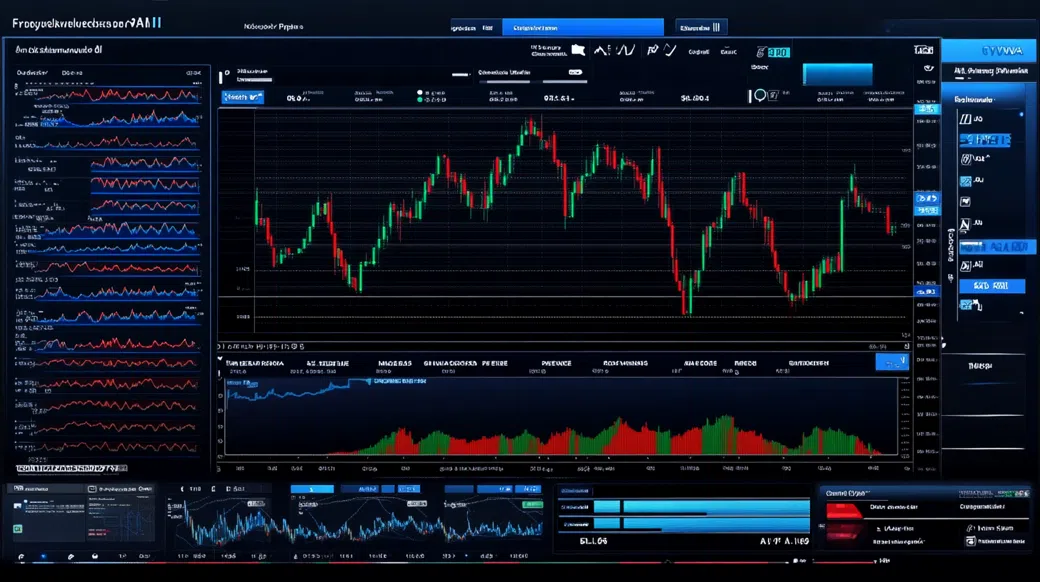
Execution quality rarely announces itself; you notice it when fills deteriorate, when slippage appears around data releases, or when the platform’s price ladder feels “sticky” at the open. That’s the context in which many readers ask me about Neve Fondivio—typically positioned as a Forex/CFD venue with a proprietary WebTrader and mobile app, plus the familiar offshore retail features: higher leverage, simplified onboarding, and a product shelf built around FX pairs, indices, commodities, and crypto CFDs. Based on what’s commonly observable in this segment, a minimum deposit around $250, leverage up to 1:500, and a EUR/USD spread often “from ~2.0 pips” are representative starting points.
Those numbers can look convenient. They can also mask the variables that dominate real P&L: total round-turn cost, financing (swap) drag on held positions, and how the execution model behaves when liquidity thins. For traders benchmarking their setup in 2026—especially across the US/EU regulatory divide—the practical question becomes less about flashy leverage and more about: can I verify the legal entity, client-fund protections, and the platform stack I need? This guide maps out Neve Fondivio alternatives with an emphasis on regulated brokers, strategy fit, and operational safety—data first, opinions second.
Disclaimer: This article is for informational purposes only and does not constitute investment advice. CFDs and other leveraged products carry a high risk of loss and may not be suitable for all investors.
From a market-structure point of view, Neve Fondivio sits in the CFD-first retail lane rather than the “true multi-asset” brokerage model. In practice, that means the core offer is usually Forex and CFD instruments (indices, metals, energy, and crypto CFDs), packaged with high maximum leverage (commonly up to 1:500) and a relatively low barrier to entry (often around a $250 minimum deposit). The regulatory framing in this category is frequently offshore; for this article I treat it as operating under a Seychelles FSA-style offshore setup, which has different supervisory intensity than FCA, ASIC, CySEC, or NFA regimes. For traders evaluating competitors to Neve Fondivio, the key distinction is whether you’re buying a trading interface—or a full brokerage relationship with enforceable protections.
The platform stack is typically a proprietary WebTrader with companion iOS/Android apps. Expect functional charting with a moderate indicator set, basic drawing tools, and the standard order flow (market/limit/stop), but not the depth you’d rely on for systematic execution. Watchlist-to-ticket workflows are usually clean, yet advanced items—custom indicator ecosystems, robust strategy testing, or institutional-style order management—tend to be thinner than MT4/MT5 or cTrader environments. Mobile parity is often “good enough” for monitoring and adjusting risk, while desktop browsers handle most analysis. The account dashboard normally centralizes margin usage, open positions, and funding history, but transparency around execution quality (requotes, partial fills, last-look behavior) can be harder to audit than at top-tier venues.
Cost-wise, the reference point many traders will recognize is a EUR/USD spread advertised around “from ~2.0 pips” on a Standard-style setup. Some brokers in this segment also present a Raw/ECN-style tier (often 0.0–0.4 pips plus roughly $5–$8 round-turn commission), but availability and conditions vary by entity. Beyond spreads, the practical line items are swap/overnight financing (especially relevant for index CFDs and crypto CFDs), plus any withdrawal or inactivity charges that can materially change the annualized cost of carrying an account. If you’re comparing platforms like Neve Fondivio, insist on fee schedules that are specific, time-stamped, and tied to the legal entity you’ll actually onboard with.
Microstructure problems don’t show up as a single red flag; they accumulate as small frictions—wider effective spreads during volatile minutes, ambiguous margin rules, or a platform that can’t support your execution workflow. In that context, Neve Fondivio alternatives become relevant when a trader’s strategy matures faster than the venue’s infrastructure. The most common pivot point I see is when traders stop optimizing for “easy onboarding” and start optimizing for survivability: legal clarity, consistent fills, and predictable cost of trade.
Think of broker selection as a fit-to-strategy exercise with a legal wrapper. A day trader cares about spreads, latency, and slippage; a swing trader is exposed to swap costs and weekend gaps; an investor needs real asset custody and corporate-action handling. The goal is to match your product needs to a venue whose regulation, execution model, and platform stack you can verify—then test it with small size before scaling.
Start with the regulator and the exact legal entity: FCA (UK), ASIC (Australia), CySEC (EU), and NFA/CFTC (US) each impose different conduct rules and reporting standards. In the UK, FSCS coverage can apply up to £85,000 in eligible cases; in Cyprus, ICF coverage can apply up to €20,000 for eligible clients—details depend on the entity and claim scenario. Segregated client funds should be standard language, but don’t stop there: look for negative balance protection (where applicable), clear complaint escalation, and an easily verifiable register entry.
Write down what you truly trade: FX spot via CFDs, index CFDs, commodity CFDs, or real shares and ETFs. Many alternatives to the Neve Fondivio trading platform expand the menu into cash equities, options, and futures—useful if you want to hedge with listed derivatives instead of only CFDs. If your plan includes US-listed stocks or futures, eligibility and product access will differ sharply between US-regulated brokers and EU/UK CFD providers. Product breadth is only a benefit if it comes with transparent pricing and consistent execution.
Headline spreads are marketing; the trader’s reality is round-turn cost. Compare: (1) the average spread during your trading hours, (2) commissions on Raw-style accounts, and (3) swap/overnight fees that quietly compound. For a scalper doing, say, 200 round turns/month, a difference of 0.8 pips in effective spread can dominate the annual result more than any leverage setting. Also check non-trading fees: inactivity and withdrawals can turn a “cheap” account into an expensive one if your activity is seasonal.
Platform choice is a strategy choice. MT4/MT5 ecosystems matter for EAs and indicators; cTrader appeals to traders who want cleaner order handling and analytics; proprietary platforms can be efficient but are harder to audit. Execution model matters too: market maker vs STP/ECN vs DMA influences how your orders interact with liquidity, especially in fast markets. If you’re coming from Neve Fondivio, pay attention to slippage distribution (not just “fast execution” slogans) and test around volatile events with small size.
Operational quality is part of risk management. Look for support coverage that matches your trading hours, multilingual capability (EU users often need Italian/French/German support), and response standards that are documented rather than promised. Education should be practical—margin policy explanations, platform tutorials, and risk tools—not generic market commentary. Finally, check mobile parity: if you manage stops from your phone, the app must handle order edits and alerts reliably under load.
In a CFD-first setup, the FX and index CFD shelf is usually the main event: roughly 30–50 FX pairs, 8–15 indices, 5–10 commodities, plus crypto CFDs. The trade-off is that leverage (often up to 1:500) can encourage oversized positions; combined with a EUR/USD spread around ~2.0 pips on Standard-style pricing, the effective cost for frequent trading can be higher than it looks. Regulated FX/CFD specialists can tighten that profile: Pepperstone or IC Markets, for example, typically pair MT4/MT5/cTrader with Raw accounts where spreads can start near 0.0–0.3 pips plus commission (conditions vary by entity). For traders who measure performance in pips and execution statistics, those venues tend to provide a clearer path to evaluating slippage, latency, and total transaction cost.
The biggest product gap versus many Neve Fondivio alternatives shows up in equities. Offshore CFD platforms frequently offer “stocks” as CFDs only, which means no shareholder rights, no direct participation in corporate actions beyond broker adjustments, and pricing that is a derivative of the underlying venue. If your 2026 plan includes building a long-term portfolio—US/EU stocks, ETFs, and potentially options—multi-asset brokers like Interactive Brokers or Saxo Bank are structurally better suited. Their value proposition is not leverage; it’s market access and tooling: broader exchange connectivity, deeper order types, and reporting that integrates better with tax workflows. For active equity traders, the difference between CFD-only exposure and direct market access can be the difference between trading an instrument and actually owning it.
Crypto exposure on CFD platforms is typically delivered as crypto CFDs: you’re trading price movements, not holding on-chain assets, and you won’t be able to withdraw coins to a wallet. That structure can be acceptable for short-term directional trades or hedging, but it introduces its own risk stack: wider spreads during volatility, weekend gap behavior, and financing costs that can be punitive if positions are held. Regulated options vs Neve Fondivio differ by jurisdiction: IG and Plus500, for instance, are known for offering crypto CFDs in certain regions, with retail protections tied to their regulated entities. If your objective is long-only crypto ownership, you’re generally looking outside the CFD broker universe entirely; this article stays focused on trading venues rather than custody products.
Regulation: SEC/FINRA (US), FCA (UK), IIROC (Canada)
Markets: Stocks, ETFs, options, futures, bonds, FX
Fees: Pricing varies by product; FX is typically tight vs retail CFD venues, with commissions/spreads depending on routing and size
Platform: Trader Workstation (TWS), IBKR Desktop/Mobile, APIs
Best For: Multi-asset traders who want real market access
Regulation: FCA (UK), ASIC (Australia), MAS (Singapore)
Markets: CFDs (FX, indices, commodities, shares), spread betting (UK), limited crypto CFDs in eligible regions
Fees: FX spreads commonly from ~0.6+ pips on major pairs (account and region dependent); financing applies on CFD holdings
Platform: IG web platform, mobile apps, MT4 (where available)
Best For: Risk-managed CFD traders who value strong oversight
Regulation: FCA (UK), MAS (Singapore), DFSA (Dubai)
Markets: Stocks, ETFs, bonds, FX, options, futures, CFDs
Fees: Tiered pricing by client segment; FX spreads often competitive with commissions/markups depending on account level
Platform: SaxoTraderGO, SaxoTraderPRO
Best For: Portfolio builders who still trade tactically
Regulation: FCA (UK), ASIC (Australia), CySEC (EU), DFSA (Dubai)
Markets: FX and CFDs (indices, commodities, some shares depending on entity)
Fees: Standard spreads typically from ~1.0+ pip; Raw accounts often from ~0.0–0.3 pips plus commission (varies by region)
Platform: MT4, MT5, cTrader, TradingView integration (where offered)
Best For: Systematic FX traders optimizing spread and execution
Regulation: CFTC/NFA (US), FCA (UK), ASIC (Australia), IIROC (Canada)
Markets: FX (spot/CFD depending on region), CFDs in eligible jurisdictions
Fees: Typically spread-based; majors often from ~0.8–1.3 pips depending on market conditions and account type
Platform: OANDA web/mobile, MT4 (where available)
Best For: FX-first traders who want a US/EU compliant setup
Regulation: FCA (UK), CySEC (EU), ASIC (Australia), MAS (Singapore)
Markets: CFDs (FX, indices, commodities, shares); crypto CFDs in eligible regions
Fees: Primarily spread-based; majors often competitive for casual trading, with overnight funding on held CFD positions
Platform: Plus500 proprietary web platform and mobile apps
Best For: Casual CFD users who prefer a simple interface
| Platform | Regulation | Main Markets | Typical Costs | Best For |
|---|---|---|---|---|
| Interactive Brokers (IBKR) | SEC/FINRA, FCA, IIROC | Stocks/ETFs, options, futures, bonds, FX | Product-based; FX generally tight vs retail CFD pricing | Multi-asset traders who want real market access |
| IG | FCA, ASIC, MAS | CFDs across FX/indices/commodities/shares | FX often from ~0.6+ pips; financing on CFDs | Risk-managed CFD traders who value strong oversight |
| Saxo Bank | FCA, MAS, DFSA | Stocks/ETFs, options, futures, FX, CFDs | Tiered; competitive FX pricing by segment | Portfolio builders who still trade tactically |
| Pepperstone | FCA, ASIC, CySEC, DFSA | FX + CFDs (entity dependent) | Raw ~0.0–0.3 pips + commission; Standard ~1.0+ pip | Systematic FX traders optimizing spread and execution |
| OANDA | CFTC/NFA, FCA, ASIC, IIROC | FX-first; CFDs in eligible regions | Typically ~0.8–1.3 pips on majors (market dependent) | FX-first traders who want a US/EU compliant setup |
| Plus500 | FCA, CySEC, ASIC, MAS | CFDs (FX, indices, commodities, shares) | Spread-based; overnight funding on positions | Casual CFD users who prefer a simple interface |
A platform switch is operational risk before it is market risk. The clean way to do it is to avoid being forced into decisions mid-trade: set up the destination first, verify rules, then unwind and transfer funds in a controlled sequence. Keep in mind that leveraged products can move faster than withdrawal timelines, so reduce exposure while you migrate from Neve Fondivio.
If you’re still evaluating whether the current setup fits your trading, review the onboarding entity, fee schedule, and platform tools side by side with regulated options. Regional eligibility can change the product list and protections, so verify the exact jurisdiction before committing capital.
Visit Neve FondivioThe best choice depends on whether you need real multi-asset access or mainly FX/CFDs with tighter execution. For exchange-traded stocks, ETFs, options, and futures, Interactive Brokers or Saxo Bank are strong Neve Fondivio alternatives; for FX-focused trading with MT4/MT5/cTrader, Pepperstone and OANDA are often better aligned. If you want a simpler CFD interface with regulated oversight, IG or Plus500 can fit—subject to your region.
Safety depends on verifiable regulation, client-fund handling, and enforceable investor protections; offshore setups (commonly Seychelles-style frameworks) typically provide fewer safeguards than FCA/ASIC/CySEC/NFA regimes. In practice, the risk is not only market risk from leveraged CFDs, but also operational risk if dispute resolution and compensation schemes are limited. Treat high leverage (up to 1:500 in this segment) as a hazard unless your risk controls are exceptionally disciplined.
With CFD-first platforms, “stocks” are often offered as stock CFDs rather than real share dealing, and listed futures are typically not part of the core retail CFD shelf. Crypto exposure is commonly via crypto CFDs (price exposure only, no on-chain ownership), usually alongside FX and index CFDs. If you need real stocks/ETFs or futures, brokers similar to Neve Fondivio on the CFD side won’t substitute as well as IBKR or Saxo.
Before switching, verify the destination broker’s exact legal entity on the regulator register, then compare round-turn costs (spread + commission + swap) for the instruments you actually trade. Confirm the platform stack (MT4/MT5/cTrader vs proprietary), margin rules, negative balance protection (where applicable), and withdrawal policy tied to your funding method. Finally, download your statements and trade history and migrate with small test trades before scaling.
About the Author: Elena Marchetti is a Milan-based fintech analyst who covers European trading platforms, market microstructure, and broker ecosystems with a data-led lens. Her work focuses on how execution, regulation, and platform design translate into real-world trading outcomes for retail and active traders.