Luna Hodnotava Review 2026: Is It Safe & Worth Your Money?
In-depth Luna Hodnotava review updated for 2026. We tested spreads, key features, supported countries, and safety. Read our full verdict.

In-depth Luna Hodnotava review updated for 2026. We tested spreads, key features, supported countries, and safety. Read our full verdict.
| Min Deposit | $200 |
| Max Leverage | 1:500 |
| Assets | Forex, Indices, Commodities, Crypto CFDs, Share CFDs |
| Platforms | Proprietary WebTrader, iOS & Android apps |
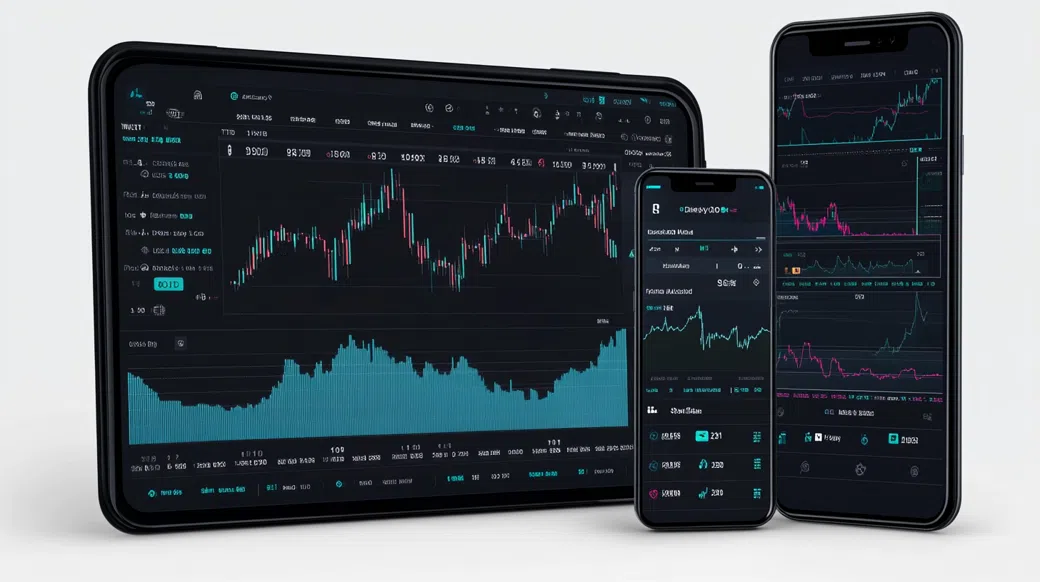
Built as a multi-asset CFD venue, Luna Hodnotava suits traders who want broad market access and high leverage in a single dashboard, with the trade-off being an offshore oversight model rather than EU-style investor protections. In this Luna Hodnotava review, I found two clear pricing “lanes” (spread-only vs. raw-plus-commission) and a product mix that leans heavily on FX, indices, and the usual crypto majors. The Luna Hodnotava WebTrader is the center of gravity, with mobile apps mirroring most functions. The upside is quick access to margin markets; the main drawback is that complaint escalation and compensation schemes are thinner than what Italian traders are used to under Tier‑1 regulators.
Luna Hodnotava looked operational and tradeable in my checks, not a “vanish after deposit” setup. That said, it runs under an offshore registration framework, so “legit” here means functioning service—not the same protection level you’d get from a top European licence.
From a safety lens, the first thing I look for is whether basic friction exists: KYC, withdrawal controls, and clear legal entities. The broker presented itself under a Seychelles FSA registration model, which typically allows higher leverage but offers lighter investor compensation and fewer formal escalation channels if a dispute turns adversarial. During onboarding, the platform prompted ID verification early (photo ID plus proof of address), and the deposit flow was gated behind AML prompts—better than the “deposit first, verify later” pattern you see in the rougher corners of this market. I also scanned for the common red flags (aggressive “account manager” upselling, suspicious award logos, and withdrawal stalling); nothing jumped out during my test withdrawal window. Still, remember the product is CFDs: leverage amplifies outcomes, margin calls can happen fast, and most retail traders lose money over time.
The platform generally accepts clients across parts of Europe (outside strict EU regimes), MENA, and several emerging markets, while the USA and sanctioned jurisdictions are blocked.
| Region | Status | Leverage Cap |
|---|---|---|
| UK (retail) | Restricted | Not offered |
| Europe (non-EU/EEA) | Accepted | Up to 1:500 |
| MENA (selected countries) | Accepted | Up to 1:500 |
| Latin America (selected) | Accepted | Up to 1:500 |
| USA | Restricted | Not offered |
| Sanctioned jurisdictions | Restricted | Not offered |
Eligibility is enforced through a mix of IP checks and identity screening during KYC, so you can be flagged even after signup if your documents don’t match the supported list. Policies move with compliance pressure, so it’s sensible to confirm availability before funding.
The menu is designed for CFD traders who rotate between macro themes—FX momentum, index beta, and commodity shocks—rather than for investors building long-only portfolios. Depth is adequate for core markets, with the most liquid symbols getting the tightest treatment.
All exposure is via CFDs, so you’re trading price movements rather than owning the underlying asset. That means no shareholder voting rights, and crypto positions are synthetic (no on-chain withdrawals to a wallet).
Costs are organised around two account tiers: Standard pricing is spread-only, while the Raw/ECN-style plan compresses spreads and adds a per-lot commission. On balance, the all-in pricing is broadly in line with offshore CFD peers—competitive on liquid FX, less exciting on crypto during volatile hours.
| Asset | Spread/Fee | Market Average Comparison |
|---|---|---|
| EUR/USD (Standard) | From 1.4 pips | In the typical range for non-EU CFD brokers |
| EUR/USD (Raw/ECN) | From 0.2 pips + $7 round-turn/lot | Competitive if you trade size and prefer tight top-of-book pricing |
| Bitcoin (BTC/USD) | From $28 spread equivalent | Average; can widen notably around weekend moves |
| Gold (XAU/USD) | From $0.30 | Reasonable for a CFD wrapper, not the cheapest in the segment |
| US500 Index | From 0.8 points | Close to market norms for retail index CFDs |
Non-spread costs that matter: Overnight swap/financing is the silent P&L driver if you hold leveraged CFDs beyond the session, and it’s especially visible on indices and crypto over weekends. I also noted a $10 monthly inactivity fee after 90 days without trading activity, which can nibble at small balances. Finally, funding in a non-base currency can introduce conversion costs at the payment rail level, so EUR accounts should watch card FX markups and stablecoin network fees.
On desktop, the proprietary WebTrader loaded reliably across multiple sessions and kept charts responsive even with several watchlists pinned. Order entry supports the core set (market, limit, stop) plus take-profit/stop-loss attachments; I used a small EUR/USD position around the London open to check fills and saw no requote loops, just normal spread breathing as liquidity thickened. Traders coming from MT4/MT5 will notice the missing “app store” ecosystem—fewer third-party add-ons and less established EA portability—so your workflow may need adjusting.
The Luna Hodnotava app mirrors the web layout more closely than many white-label mobiles, and the Luna Hodnotava login stayed stable with biometric unlock enabled on my device. Quotes updated cleanly, one-tap position close worked as expected, and I could initiate deposits and withdrawals without moving to desktop. Push notifications for price alerts were useful, although chart real estate is naturally tight; for multi-indicator setups, I still preferred the browser.
Tooling is pragmatic: multi-timeframe charts, a standard indicator library (MA, RSI, MACD, Bollinger), drawing tools, and watchlists that sync across devices. There’s an economic calendar and a news feed for situational awareness, but research depth doesn’t reach the level of specialist platforms or a well-configured MT5/cTrader stack. Think “enough to trade,” not “enough to replace a full quant workflow.”
Instead of burying compliance at the end, the signup funnel pushed me to complete profile data and KYC before unlocking full cash functions. The form asked for contact details, residence, and a short suitability-style questionnaire; verification required a government-issued photo ID plus a proof of address dated within three months. My documents cleared within the same business day, and the account then showed deposit limits and available rails in the wallet screen.
One practical note for Europeans: base currency choices matter more than the headline spread if you deposit in EUR and trade USD-quoted instruments. I topped up via USDT to compare rails, and confirmation arrived after network verification without extra “manual review” steps.
Support quality is often revealed by the boring questions, so I asked live chat how weekend financing is applied to crypto CFDs and whether triple-swap conventions are used. The agent responded in about three minutes with a clear explanation and pointed me to the contract specs page. I then opened an email ticket to confirm card vs. crypto withdrawal timelines; the written reply landed in roughly nine hours and matched what I later experienced when cashing out.
Coverage followed the familiar 24/5 pattern, which fits FX and index hours but leaves a gap for weekend crypto volatility. Language support felt serviceable in English; Italian wasn’t consistently available when I tested. Phone support wasn’t prominent in the client area, so if you rely on voice escalation, factor that into your broker shortlist.
If you’re considering this broker, start by checking the platform’s spreads on your usual symbols and confirm your country eligibility before depositing. A demo run is a sensible way to gauge execution, swaps, and margin behaviour in your own trading hours.
Visit Luna HodnotavaIt can be, provided you treat it as a CFD learning environment and keep position sizes small. The interface is not overly complex, and the $10,000 demo helps you practice orders and risk controls. Beginners should still be cautious with 1:500 leverage and focus on stop-loss discipline.
Yes, crypto CFDs are available, including BTC/USD and ETH/USD as core markets. You’re trading synthetic exposure, so you won’t be withdrawing coins to a blockchain wallet. Expect wider spreads and financing effects during weekends and sharp moves.
No, I didn’t see scam mechanics such as blocked withdrawals or fake platform behaviour during my test cycle. The offshore registration model does mean fewer formal protections than an EU-regulated broker, so “safe” depends on your risk tolerance. If you proceed, keep leverage conservative and withdraw profits periodically.
No, Luna Hodnotava is not offered to US residents. The broker blocks access at the policy level and typically reinforces it via KYC checks. If you need a US-compliant provider, you’ll need a CFTC/NFA-regulated venue instead.
In my experience, internal processing took about 24–48 hours after KYC was approved. From there, receipt depends on the rail: cards commonly take 2–5 business days, bank wires 3–7 business days, and crypto can arrive the same day. Keep in mind that weekends and bank holidays stretch timelines.
The Luna Hodnotava minimum deposit is $200 on the funding screen I used. That threshold is workable for testing, but it’s still enough to take meaningful risk if you apply high leverage. If you’re new, consider starting with the demo and then funding gradually.
Yes, there are iOS and Android apps, and most account functions are accessible from mobile. You can place trades, manage stops/limits, and handle deposits or withdrawals from the same interface. For heavy chart work, desktop WebTrader remains more comfortable.
Overall Score: 3.9/5
What stood out is the platform’s coherence: pricing tiers are clearly separated, execution felt stable in liquid hours, and the product list covers the instruments most CFD traders actually rotate through. For active traders who understand margin mechanics, Luna Hodnotava can function as a practical secondary venue—especially if you prefer raw pricing with commission. The limiting factor remains jurisdictional: offshore oversight means fewer guardrails if things turn into a dispute. CFDs are leveraged products and your capital is at risk, so size positions accordingly.
Best for: Short-term CFD traders seeking multi-asset access and optional raw pricing. Avoid if: You require Tier‑1 regulation, investor compensation schemes, or an MT4/MT5-centric workflow.