Liane Solvence Review 2026: Is It Safe & Worth Your Money?
In-depth Liane Solvence review updated for 2026. We tested spreads, key features, supported countries, and safety. Read our full verdict.

In-depth Liane Solvence review updated for 2026. We tested spreads, key features, supported countries, and safety. Read our full verdict.
| Min Deposit | $200 |
| Max Leverage | 1:500 |
| Assets | Forex CFDs, Indices CFDs, Commodities CFDs, Crypto CFDs, Share CFDs |
| Platforms | Proprietary WebTrader, iOS app, Android app |
Built around CFD trading with a fast-moving product menu, Liane Solvence suits traders who want multi-asset access and flexible leverage, but accept an offshore framework as the price of that flexibility. In my test account, the structure was clearly tiered: a spread-only Standard option for casual flow, and a tighter Raw/ECN-style setup for higher frequency. Coverage leans broad rather than deep—enough majors, indices, metals, and headline crypto to run diversified watchlists. The platform stack is proprietary (WebTrader plus mobile), with a clean execution ticket and essential risk controls. The main drawback is the lighter investor-protection envelope typical outside Tier-1 regimes.
Based on the account opening, KYC checks, trading, and withdrawal I ran, the service appears operational rather than a “Liane Solvence scam.” That said, it’s best understood as an offshore broker model—risk management and your own due diligence matter more than brand promises.
From a compliance angle, the registration I was shown during onboarding pointed to the Mauritius FSC, which is common for internationally distributed CFD platforms but not equivalent to FCA/CySEC-style consumer safeguards. In practical terms, you often get higher leverage and looser product constraints, while giving up stronger compensation frameworks and simpler avenues for formal complaints. I looked specifically for the usual red flags—aggressive “account manager” pressure, trophy-badge marketing, and withdrawal friction—and didn’t see obvious alarm bells in the test window. KYC was enforced (ID plus proof of address), and the legal pages referenced segregated client funds language, though that’s not the same as a statutory guarantee. Remember: CFDs are leveraged products; losses can exceed expectations quickly, and most retail traders lose money over time.
Access is primarily geared toward international clients across parts of Europe (non-EU), MENA, LATAM, and segments of Asia, with the USA and sanctioned jurisdictions excluded.
| Region | Status | Leverage Cap |
|---|---|---|
| UK & EEA (most jurisdictions) | Restricted | Not offered |
| Europe (non-EU/EEA) | Accepted | Up to 1:500 |
| MENA (selected countries) | Accepted | Up to 1:500 |
| Latin America (selected countries) | Accepted | Up to 1:500 |
| Southeast Asia (selected countries) | Accepted | Up to 1:500 |
| USA | Restricted | Not offered |
| Sanctioned jurisdictions | Restricted | Not offered |
Eligibility is not just a checkbox: IP location and the country field in the signup flow are typically cross-checked, and KYC can override earlier inputs. Policies also move, so it’s worth verifying your region before funding.
The lineup reads as “macro trader friendly”: you can rotate between FX, indices, and metals, then use crypto CFDs tactically when volatility returns. Depth is sufficient for directional trading, less so for niche exposure.
Exposure here is via CFDs, not spot ownership: you don’t get shareholder voting rights, you’re not holding coins on-chain, and “dividend” effects (when offered) are handled as price adjustments rather than distributions.
Costs are split by account tier: Standard is spread-only, while the Raw/ECN-style option tightens spreads and adds a per-lot commission. On balance, pricing sits in the middle of the offshore CFD pack—competitive for active FX, less special on crypto and some indices.
| Asset | Spread/Fee | Market Average Comparison |
|---|---|---|
| EUR/USD (Standard) | From 1.4 pips | In line |
| EUR/USD (Raw/ECN) | From 0.2 pips + $7 round-turn/lot | Better for high-volume |
| Bitcoin (BTC/USD) | From $35 | Slightly above average |
| Gold (XAU/USD) | From $0.30 | In line |
| US500 Index | From 0.8 points | In line to slightly better |
Non-spread costs (the part that changes your long-run expectancy): swaps/overnight financing were the biggest line item when I held metals and indices past rollover, and weekend financing made crypto carries noticeably pricier. Dormant accounts were flagged with a $10 monthly inactivity fee after 90 days, which matters if you trade in bursts. Withdrawals can also pick up third-party charges (bank and card rails), and funding in a different base currency introduces conversion costs you don’t see in the spread. For the latest pricing tables and tier rules, I cross-checked the client area of Liane Solvence before placing orders.
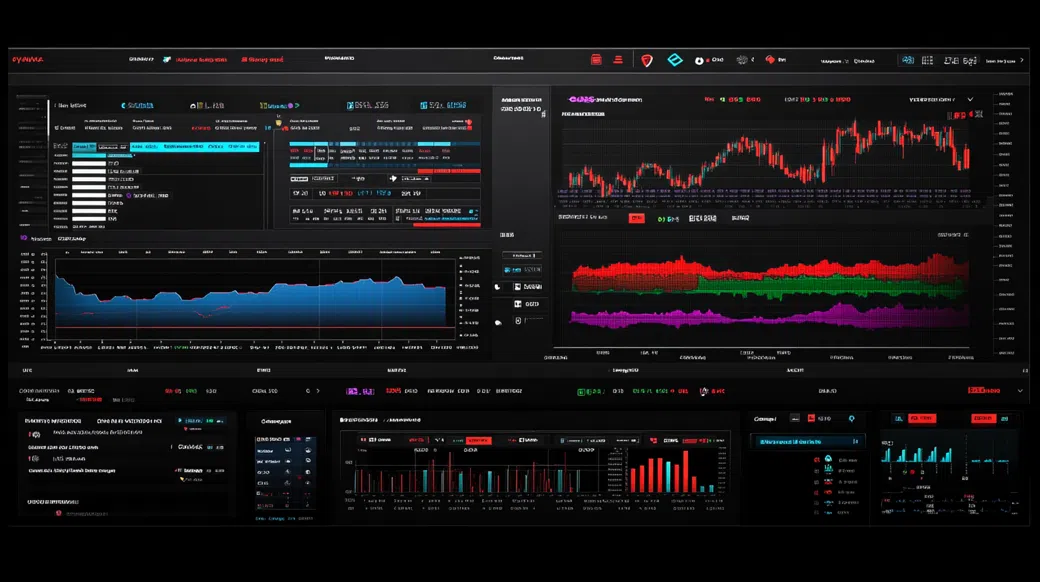
On desktop, the proprietary WebTrader loaded reliably across repeated sessions, with a layout that prioritizes watchlists and position management over “power user” plugin ecosystems. Order tickets supported market and pending orders with stop-loss/take-profit controls, and I could see margin usage updating in real time after partial closes. Execution felt consistent around the London/NY overlap on EUR/USD, though you don’t get the same third-party automation universe you’d associate with MT4/MT5.
The Liane Solvence app mirrors the web interface closely: live quotes, quick search, and a one-tap close function for risk-off moments. Liane Solvence login supported biometric unlock on my device, and push notifications can be enabled for price alerts and order events. Deposits and withdrawals are accessible from mobile, which is practical, but the chart workspace is naturally tighter—fine for monitoring and execution, less ideal for multi-indicator analysis.
Charting covers the essentials—multiple timeframes, common indicators (MA, RSI, MACD, Bollinger), and basic drawing tools. Research is light but usable, with an economic calendar and an integrated news feed to contextualize volatility windows. If you rely on advanced backtesting, custom indicators, or complex alert logic, the ceiling is lower than MT5/cTrader-style environments.
First impression from the signup screens: the provider asks for the expected basics (email, phone, residence, and a short suitability prompt), then routes you into identity checks before full account permissions unlock. For KYC/AML, I uploaded a passport scan plus a recent utility bill (under three months), and verification cleared within the same business day. That workflow reduces “surprises” later, especially at withdrawal time.
One operational note: base-currency choices can influence conversion drag if you fund in EUR and trade USD-quoted instruments. I also recommend finishing KYC early; it kept my cash-out request from being paused for extra documentation.
I tested support with a practical question: how swap rates are displayed for indices and whether weekend financing is applied on crypto CFDs. Live chat came back in roughly three minutes with a clear pointer to the contract specification screen and a brief explanation of triple-swap timing, then I followed up by email asking about card withdrawal timelines. The ticket reply landed in about eight hours on a business day and matched what I later saw in processing status updates.
Coverage is broadly what you’d expect in this segment: 24/5 availability aligned with market hours, with language quality varying by queue. Phone support wasn’t prominently positioned in my region, so I treated chat/email as the primary routes. Over weekends, responsiveness can soften—fine for account admin, less helpful if you need urgent trade-side intervention.
If you’re considering opening an account, start by checking whether your country is eligible and compare Standard vs. Raw/ECN pricing on the instruments you actually trade. A demo run helps you evaluate spreads, margin behavior, and the mobile workflow before committing real funds.
Visit Liane SolvenceIt can be, provided you keep position sizing conservative and avoid max leverage early on. The interface is not cluttered and the demo account helps you rehearse order placement and margin logic. Beginners should still treat CFDs as high-risk instruments and expect a learning curve around swaps and volatility.
Yes, crypto is available as CFDs, including BTC/USD and ETH/USD. You’re trading price exposure rather than holding coins on-chain, and financing over weekends can materially change the cost of carrying positions. For short-term tactics, it’s usable; for long holds, compare the funding rate carefully.
No—based on my 2026 test, it behaved like a functioning broker (KYC enforced, orders executed, and a withdrawal processed). The more relevant caution is that it operates under an offshore registration model (Mauritius FSC), which typically provides fewer formal protections than top-tier regulators. Treat risk controls and withdrawals discipline as part of your due diligence.
No, the USA is restricted and accounts are not offered there. If you attempt signup from a restricted jurisdiction, eligibility checks (including KYC) can prevent activation. US-based traders generally need a CFTC/NFA-regulated venue instead.
Most withdrawals are processed internally within 24–48 hours after KYC is complete. Receipt time then depends on the method: cards commonly take 2–5 business days, bank wires 3–7 business days, and crypto transfers often arrive the same day. Your bank or payment provider may add its own handling time or fees.
The minimum deposit is $200 for a live account. That level is enough to trade small sizes, but margin requirements rise quickly if you use higher leverage or volatile instruments. If you plan to hold positions overnight, budget for swap/financing as well.
Yes, it offers mobile trading apps for iOS and Android. You can monitor quotes, manage orders, and handle deposits/withdrawals from the app, with optional biometric login on supported devices. For deep analysis, the web platform still feels more comfortable due to screen space.
Overall Score: 4.0/5
From a microstructure perspective, what stood out was consistency: spreads on liquid FX were stable in active sessions, and the Raw/ECN-style pricing can make sense if you trade size and care about total cost-per-round-turn. The platform is modern enough for discretionary traders, and the withdrawal I ran followed the stated timeline. Still, offshore registration means you should be realistic about protections and keep leverage disciplined. If you’re evaluating Liane Solvence, treat it as a trading venue—not a substitute for robust, Tier-1 regulated brokerage infrastructure.
Best for: active CFD traders who want a proprietary WebTrader/mobile stack and can quantify spread + commission. Avoid if: you need Tier-1 regulatory safeguards, deep research, or plan to leave an account idle long enough to trigger inactivity costs.