Bilitage Review 2026: Is It Safe & Worth Your Money?
In-depth Bilitage review updated for 2026. We tested spreads, key features, supported countries, and safety. Read our full verdict.

In-depth Bilitage review updated for 2026. We tested spreads, key features, supported countries, and safety. Read our full verdict.
| Min Deposit | $200 |
| Max Leverage | 1:500 |
| Assets | Forex CFDs, Indices CFDs, Commodities CFDs, Crypto CFDs, Share CFDs |
| Platforms | Proprietary WebTrader, iOS/Android mobile apps |
Built as a multi-asset CFD venue, Bilitage suits traders who want one screen for FX, indices, and crypto—while accepting the compromises that come with an offshore setup and high leverage. In my test account, the two-tier structure (spread-only vs. Raw/ECN-style pricing) was clearly positioned for casual versus higher-frequency trading. The lineup leans practical: majors in forex, headline equity indices, and the large-cap crypto pairs most people actually trade. Platform-wise, it’s a proprietary WebTrader plus a mobile stack, with no MT4/MT5 confirmation surfaced in the client area. The main upside is flexibility; the main drawback is that dispute pathways and investor protections are thinner than under top-tier EU regulation. Bilitage
Bilitage operated as a functioning broker in my 2026 test: onboarding, trading, and withdrawals behaved like a live business rather than a “vanishing deposit” scheme. That said, it runs under an offshore registration model (I encountered Mauritius FSC references in the legal footer), so the safety net is not comparable to an EU-regulated CFD broker.
What I look for first is friction where it should exist: AML and KYC checks. The provider requested a government photo ID and a proof of address dated within three months, and it wouldn’t unlock withdrawals until verification was completed—an encouraging sign for process discipline. Offshore status, however, changes the practical risk calculus: leverage tends to be higher, compensation schemes are limited, and formal dispute escalation can be slower or less standardized. I also scanned for sales pressure and “too-good-to-be-true” badges; the client area was relatively restrained, with no aggressive bonus countdowns pushed at me during the session. The broker’s documentation mentions segregated client funds, but you still need to treat that as a policy claim rather than a guarantee. Remember: CFDs are leveraged products; losses can exceed expectations, and most retail traders lose money over time.
Access is broad across many non-US regions, with onboarding available for a mix of Europe (outside heavily restricted regimes), MENA, and parts of Asia and Africa. The USA and sanctioned jurisdictions are blocked.
| Region | Status | Leverage Cap |
|---|---|---|
| Europe (non-EU/EEA) | Accepted | Up to 1:500 |
| MENA (selected countries) | Accepted | Up to 1:500 |
| Southeast Asia (selected countries) | Accepted | Up to 1:500 |
| Sub-Saharan Africa (selected countries) | Accepted | Up to 1:500 |
| USA | Restricted | Not offered |
| Sanctioned jurisdictions | Restricted | Not offered |
Eligibility is enforced through a mix of IP checks and KYC residency documents, and the acceptance list can shift as policies and local rules change. If you travel frequently, expect an occasional compliance prompt at login or withdrawal.
Rather than going “everything to everyone,” the platform feels built around liquid, headline-driven CFD markets that are easy to hedge and easy to price. In practice, that means FX and index CFDs are the backbone, with commodities and crypto added for volatility and diversification.
All of this is CFD exposure: you’re trading price movements with margin, not taking delivery of the underlying asset. That also means no shareholder voting rights and no “on-chain” withdrawals for crypto—just P&L in your account currency.
Costs at Bilitage hinge on account tier: the Standard profile is spread-only, while the Raw/ECN-style option compresses spreads and adds a per-lot commission. On EUR/USD, the Standard quote I saw typically hovered around the mid-1-pip area, which is broadly in line with offshore CFD peers. The Raw tier is designed to reduce friction for active traders who can justify the commission.
| Asset | Spread/Fee | Market Average Comparison |
|---|---|---|
| EUR/USD (Standard) | From 1.5 pips | In line with typical offshore CFD pricing |
| EUR/USD (Raw/ECN) | From 0.2 pips + $7 round-turn/lot | Competitive for active FX, commission-driven |
| Bitcoin (BTC/USD) | From $35 | Middle of the pack; widens on weekend liquidity |
| Gold (XAU/USD) | From $0.25 | Slightly better than average in calm sessions |
| US500 Index | From 0.8 points | Close to segment norms for CFD indices |
Non-spread costs to budget for: overnight swap/financing can dominate the P&L on multi-day positions, and weekend financing is especially noticeable on crypto CFDs. The inactivity charge in my account terms was $10 per month after 90 days without trading, which matters if you treat the account as a “back pocket” venue. Withdrawals themselves were presented as fee-free on the broker side in my portal, but card issuers, banks, and currency conversion spreads can still take a bite if you fund in one currency and settle in another.
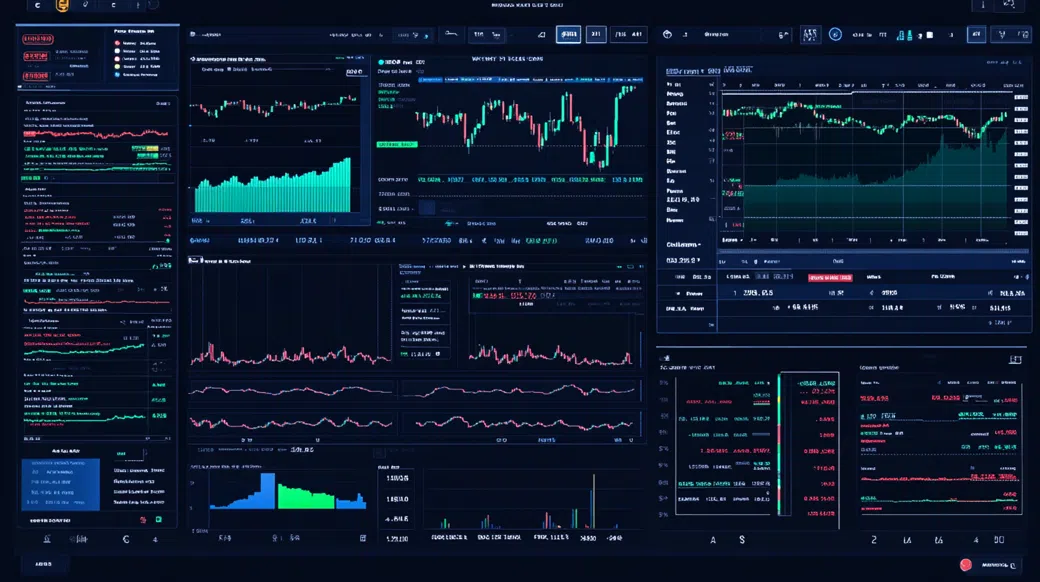
On desktop, the WebTrader loaded quickly and stayed stable across multiple sessions, including the high-volatility window around the New York open when spreads can flicker. Order tickets supported market, limit, and stop, plus take-profit/stop-loss attachment; I also noted margin and free equity updating without lag after partial closes. If you’re coming from MT4/MT5, the gap is less about “can I place trades” and more about ecosystem depth—custom indicators, EAs, and third-party analytics aren’t the native strength here.
The Bilitage app mirrors the WebTrader layout closely, which reduces context switching if you manage trades on the move. Bilitage login supported biometric unlock on my device, and core actions—deposit, withdrawal, watchlists, one-tap close—were accessible without digging through menus. Push notifications for price alerts worked reliably, although I’d like more granular control over which instruments trigger which alerts.
Charting covers the essentials: multi-timeframe views, common indicators (MA, RSI, MACD, Bollinger), and basic drawing tools for levels and channels. The integrated economic calendar and news feed are useful for timing, but the research layer stops short of what dedicated multi-asset terminals offer. For systematic traders, the limitation is clear: this is a clean execution and monitoring interface, not a full strategy-development environment.
From the signup screen, the broker asked for the usual set—email, phone, country, and a short suitability-style questionnaire—before granting access to the client dashboard. Verification required a passport/ID photo plus a recent utility bill or bank statement; my submission was approved the same business day, and withdrawal options appeared only after that step. This sequencing aligns with AML expectations and reduces the odds of “withdrawal surprise” later.
After funding by card, the confirmation flow showed an approval screen followed by an instant balance update, which made it easy to move straight into a small test position. For anyone running multi-currency banking in Europe, it’s worth checking base currency options to minimize conversion costs before you commit meaningful volume. Bilitage
To test support quality, I used live chat to ask how swap/overnight fees are calculated on gold and whether the Raw tier changes financing. The agent joined the chat in roughly three minutes and pointed me to the contract-spec page while summarizing the rollover timing in plain language. I then emailed a follow-up on withdrawal routing for card deposits; the ticket reply landed later the same day (just under 10 hours) with a clear “KYC-first, then 24–48h internal processing” explanation.
Coverage is broadly 24/5, which fits FX and index trading calendars, and the tone was serviceable rather than sales-led. Language support depends on queue availability; English was consistent in my interactions, while Italian wasn’t always offered in the chat widget. Phone contact appeared limited by region, and weekends are mostly quiet—plan for Monday handling if you open requests late Friday.
If you’re considering this broker, start by verifying your country eligibility, then use the demo to benchmark spreads and platform behavior around your preferred session. For live accounts, keep position sizing conservative until you’ve seen how execution and financing feel under real volatility.
Visit BilitageYes, it can work for beginners who stick to small size and use the demo first. The interface is uncluttered, and the Standard account keeps pricing simple (spread-only). The bigger issue for new traders is risk: high leverage (up to 1:500) magnifies mistakes quickly.
Yes, crypto CFDs were available in my instrument list, including BTC/USD and ETH pairs. Keep in mind you’re trading derivatives, not buying coins for on-chain storage. Financing and weekend pricing dynamics are part of the cost picture for crypto CFDs.
No, my test did not show scam behavior: KYC was enforced, trades executed normally, and a withdrawal request progressed through the stated steps. Still, offshore registration means you should apply stricter personal risk controls than you would with a Tier-1 regulated broker. Always assume CFDs can lead to rapid losses and size accordingly.
No, the USA is restricted and account opening was not offered for US residents in my test. This is consistent with how many offshore CFD brokers manage regulatory exposure. If you’re traveling, residency checks during KYC still apply.
A Bilitage withdrawal typically clears internal processing in 24–48 hours after KYC is approved. Receipt time depends on the rail: cards commonly take 2–5 business days, bank wires 3–7 business days, and crypto transfers often arrive the same day. In my card test, the request moved to “processed” the next day.
The Bilitage minimum deposit is $200 based on what was shown in my client portal during testing. That level is typical for offshore CFD accounts that offer both Standard and Raw pricing tiers. If you fund by bank wire, your bank’s minimum transfer fees may effectively raise the practical starting cost.
Yes, there are iOS and Android apps, and the mobile experience closely matches the WebTrader. You can monitor positions, place orders, and manage deposits/withdrawals from the app. For security, I recommend enabling biometric access and keeping device permissions tight.
Overall Score: 3.9/5
From a market-microstructure lens, the offering is coherent: a usable WebTrader, a mobile stack that doesn’t feel like an afterthought, and pricing tiers that map to different turnover profiles. My small live test (including a London-session EUR/USD trade and a card withdrawal) behaved predictably, which matters more than glossy marketing. The ceiling is regulation and ecosystem depth—offshore registration and a proprietary platform won’t satisfy traders who need MT4/MT5 tooling or EU-level protections. If you proceed with Bilitage, treat CFDs as high-risk instruments and keep leverage as a tool, not a default.
Best for: active CFD traders outside the USA who want flexible leverage and a simple platform for FX/indices/crypto. Avoid if: you require Tier-1 regulation, extensive third-party tools, or you’re prone to overleveraging.