Alva Capital Review 2026: Is It Safe & Worth Your Money?
In-depth Alva Capital review updated for 2026. We tested spreads, key features, supported countries, and safety. Read our full verdict.

In-depth Alva Capital review updated for 2026. We tested spreads, key features, supported countries, and safety. Read our full verdict.
| Min Deposit | $200 |
| Max Leverage | 1:500 |
| Assets | Forex, Indices, Commodities, Crypto CFDs, Share CFDs |
| Platforms | Proprietary WebTrader, iOS/Android mobile apps |
Built around leveraged CFD trading, Alva Capital targets active retail traders who want multi-asset exposure with higher leverage, at the cost of operating under an offshore framework. In my 2026 test, the account menu split cleanly into a spread-only Standard tier and a tighter Raw/ECN-style option where commissions do the heavy lifting. Coverage leans practical rather than exotic: majors in FX, headline indices, gold, and the usual large-cap crypto CFDs. The stack is a proprietary WebTrader plus mobile, which keeps onboarding cohesive but leaves the MT4/MT5 plugin universe out of the picture. For the quickest reality check, I’d start with a demo, then compare live pricing and funding rails on Alva Capital.
Alva Capital looks operational rather than a “disappearing broker” scam, based on my ability to complete KYC, trade, and receive a withdrawal. The meaningful caveat is jurisdiction: it runs under an offshore registration model, which changes how disputes, compensation schemes, and leverage limits typically work.
On paper and in the client area, the provider presents itself as registered with the Mauritius FSC, a common base for international CFD operations. Offshore status usually comes with two realities traders feel quickly: leverage can be higher (here up to 1:500), while investor compensation frameworks and regulator-led mediation are thinner than what an EU broker provides. During my test window, I looked for the classic red flags—aggressive “account manager” pressure, unverifiable trophies, or withdrawal friction. I didn’t get hard-sell calls, the site avoided over-the-top award badges, and identity checks were enforced before cash-out. Client-fund segregation is referenced in the legal pages, but—as always offshore—language is not the same as a Tier‑1 audit trail. Remember: CFDs are leveraged products and most retail accounts lose money; only risk capital belongs here.
This broker is broadly positioned for international clients across parts of Europe (outside the strictest EU retail regimes), MENA, and several emerging markets; the USA and sanctioned jurisdictions are not accepted.
| Region | Status | Leverage Cap |
|---|---|---|
| UK & non-EU Europe (selected) | Accepted | Up to 1:500 |
| MENA (selected) | Accepted | Up to 1:500 |
| Southeast Asia (selected) | Accepted | Up to 1:500 |
| LATAM (selected) | Accepted | Up to 1:500 |
| USA | Restricted | Not offered |
| Sanctioned jurisdictions | Restricted | Not offered |
Eligibility is enforced through a mix of signup declarations, IP checks, and KYC screening when documents are uploaded. Country coverage can shift, so I treat “accepted” as time-sensitive and re-check right before funding.
From a market-microstructure perspective, the lineup is built for liquid, quote-driven CFDs where execution quality is easier to judge: you’re not digging for obscure small caps, you’re trading the benchmarks.
All exposure is via CFD contracts, not ownership: no shareholder voting, no spot-wallet crypto withdrawals, and “dividends” on share CFDs are typically handled as cash adjustments rather than true dividend entitlement.
Costs are organized around two tracks: a Standard account with spread-only pricing and a Raw/ECN-style account pairing tighter spreads with a per-lot commission. In practice, the Raw/ECN route is where the all-in cost becomes competitive for frequent FX traders, while Standard is priced more like a convenience tier.
| Asset | Spread/Fee | Market Average Comparison |
|---|---|---|
| EUR/USD (Standard) | From 1.6 pips | Near typical for offshore CFD brokers |
| EUR/USD (Raw/ECN) | From 0.2 pips + $7 round-turn/lot | Often sharper than spread-only accounts |
| Bitcoin (BTC/USD) | From $35 | In line with CFD crypto pricing |
| Gold (XAU/USD) | From $0.35 | Competitive when liquidity is normal |
| US500 Index | From 0.8 points | Typical for the segment |
Non-spread costs: Overnight swap/financing is the main “silent” expense—especially on indices and crypto CFDs where weekend financing can bite if you hold positions past Friday. The account also applies an inactivity fee of $10 per month after 90 days without trading activity, which is material for small balances. Funding in a non-USD base can introduce conversion costs at the payment-rail level, and withdrawal fees can appear depending on method and intermediary banks.
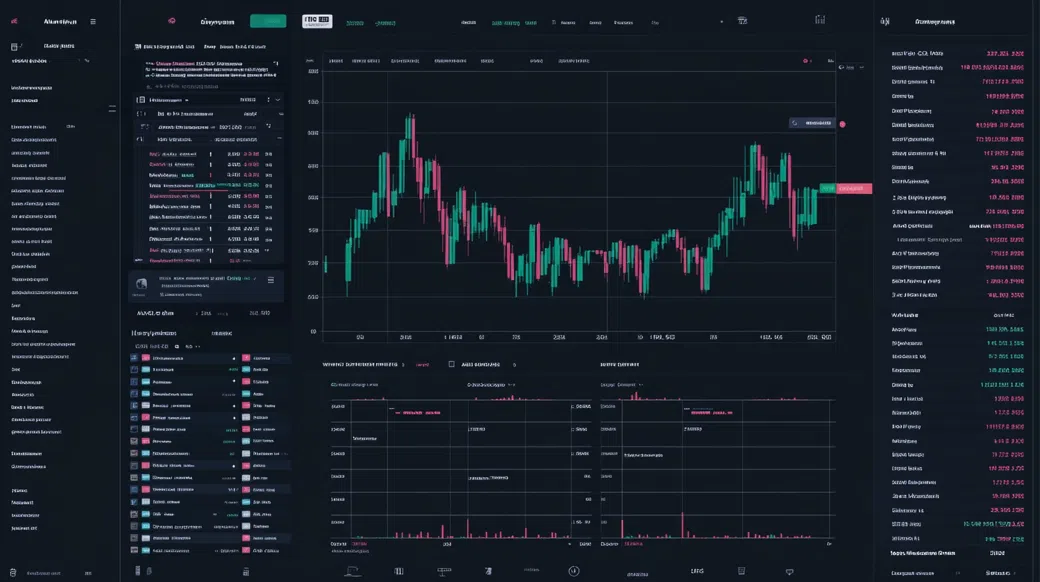
WebTrader is the center of gravity: the browser terminal stayed stable through repeated sessions, with no forced logouts during the London–New York overlap in my test. Order tickets cover the core needs—market, limit, stop, and stop-loss/take-profit—with position-level modifications handled cleanly from the open trades panel. If you live inside MT4/MT5 EAs or custom indicators, note the ecosystem gap: this platform is more “contained,” which can be a feature for simplicity but a constraint for automation.
The Alva Capital app mirrors most of the client area: watchlists, live quotes, and position management are all accessible after the Alva Capital login, and I could place and edit stop-loss/take-profit levels without bouncing back to desktop. Deposits and withdrawals are also reachable from mobile, which is convenient when you’re managing margin on the move. Push notifications for fills and margin status were present, although chart interactions felt slightly cramped on smaller screens compared to the desktop layout.
Charting is functional rather than “pro terminal”: multiple timeframes, a standard indicator set (MA, RSI, MACD, Bollinger), and drawing tools cover routine technical work. An economic calendar and a lightweight news feed help with event risk, but don’t replace dedicated research portals. Power users who need strategy testers, depth-of-market views, or advanced alert logic may still prefer a MT5/cTrader-style environment—where available—alongside this broker’s interface.
After creating credentials, the client area prompted a short AML/KYC flow: personal details, trading experience checks, then document upload. I submitted a passport scan plus a bank statement dated within three months; verification landed the same business day, and the dashboard flipped from “pending” to “verified” without extra back-and-forth. From a friction standpoint, it’s a standard offshore brokerage pattern: quick access, but identity controls are real once you move from demo to cash movement.
I funded via card to keep the trail simple, and the deposit posted to equity within minutes with an on-screen confirmation and email receipt. Base currency selection is worth thinking through upfront, because switching later can mean conversion charges and a messier P&L view; that’s a detail I’d verify directly inside the cashier page before scaling up.
To test support, I used live chat with a very specific trading-cost question: where the swap rates are displayed for index CFDs and whether they differ between Standard and Raw/ECN. A human agent joined the thread in about three minutes and pointed me to the instrument specs panel, plus clarified that pricing tier affects spreads/commission, not the underlying financing formula. I followed up by email asking about card withdrawal timelines after KYC; the ticket reply arrived in roughly nine hours with a method-by-method estimate and a reminder to match the withdrawal name to the verified profile.
Coverage is broadly 24/5, which fits the CFD trading week; weekends are quieter, and crypto questions can queue until Monday depending on staffing. Language availability is adequate for English-first workflows, while phone support looked limited and region-dependent—typical for this segment. Against peers, the service is acceptable when your requests are operational (KYC, funding, contract specs) rather than bespoke trading advice.
If you’re considering this provider, start by checking real-time spreads on your key instruments and confirming your country eligibility before depositing. A demo run is a sensible way to map the order ticket, margin behavior, and platform speed during your usual trading hours.
Visit Alva CapitalIt can be, provided you keep position sizes small and understand leveraged CFD risk. The WebTrader and app are not overloaded with features, and the $10,000 demo helps you practice order types. Where beginners can struggle is leverage up to 1:500—margin calls arrive fast if you overtrade.
Yes, crypto exposure is available as CFDs, including majors like BTC and ETH. You’re trading price movement rather than holding coins on-chain, and financing charges can be significant on multi-day positions. I’d treat weekend financing and volatility as part of the “true cost” here.
No, my test did not show the classic scam pattern: KYC was required, trading access was consistent, and a withdrawal request was processed. The more relevant question is jurisdiction—offshore registration (Mauritius FSC) usually offers less investor recourse than Tier‑1 regulators. Trade only with money you can afford to lose.
No, the USA is restricted and accounts are not offered to US residents. In my checks, the signup flow and compliance language align with that policy. If you have US tax residency, look for a CFTC/NFA-regulated alternative instead.
Most withdrawals are processed internally within 24–48 hours after KYC is complete. Receipt time then depends on the rail: cards typically take 2–5 business days, bank wires 3–7, and crypto can arrive the same day. My card withdrawal landed in three business days end-to-end.
The minimum deposit is $200 for the entry Standard account in my 2026 test. You can fund via card, bank transfer, e-wallets, or crypto depending on region. If you plan to trade frequently, also compare the Raw/ECN-style pricing because commissions can lower the all-in spread cost.
Yes, there are iOS and Android apps, and they cover the essentials: quotes, charts, order placement, and account management. I could also access deposits and the withdrawal menu from mobile, which matters for margin control. For advanced automation, though, the app is not a replacement for an MT4/MT5 workflow.
Overall Score: 4.0/5
Pricing flexibility is the main reason this broker stays on my radar in 2026: the Raw/ECN-style account brings EUR/USD to 0.2 pips plus a $7 round-turn commission, which is workable for systematic FX traders who track all-in costs. Execution in my small-size tests was consistent, and the withdrawal path behaved normally once KYC was in place. The limiting factor is structural, not cosmetic—offshore oversight (Mauritius FSC) and high leverage change the risk math and the dispute playbook. If you proceed, treat it as CFD trading: leverage amplifies outcomes, and capital is at risk. For current terms, I’d re-check directly on Alva Capital.
Best for: Cost-aware CFD traders who want a simple WebTrader/app stack and can manage leverage discipline. Avoid if: You need Tier‑1 regulatory protections, extensive research, or MT4/MT5 ecosystem tooling.